Health & Telehealth Journal: Hormones, Weight Loss & Complex Care
Clinical notes, written plainly.
Evidence-based writing on menopause and hormone therapy, testosterone health, medical weight loss, complex multisystem conditions, and the testing and treatment decisions behind them.
Written by Mallory Jones, MSN, APRN, FNP-C, CWHS

More from the journal
60 essays
Why Can’t I Think Clearly in Perimenopause?
Cognitive complaints are common during the menopause transition. Newer research suggests measurable changes can occur in some women, but hormonal fluctuation is only part of the story. Here's how to tell perimenopause brain fog from something that needs closer evaluation.

Why Am I So Bloated in Perimenopause?
Digestive symptoms often appear or worsen during perimenopause. Learn what research actually says about hormones, gut motility, the microbiome, and when bloating deserves medical evaluation.

Why Do My Joints Hurt in Perimenopause?
Joint and muscle pain become more common during perimenopause, but not every new ache is caused by estrogen. Learn what research says about hormones, inflammation, and what really helps midlife musculoskeletal symptoms.

Why Are My Orgasms Different After 40?
Orgasm changes in perimenopause and menopause are common, but they're not always caused by hormones alone. Learn what affects arousal, sensation, and orgasm intensity — and which treatments have real evidence.

I Love My Partner. So Where Did My Sex Drive Go?
Low libido in perimenopause and menopause is rarely just one hormone. Sleep, pain, medications, stress, body image, and relationship dynamics all matter. Here's how clinicians evaluate and treat it.

Why Does My Vagina Feel Different in Perimenopause?
If sex suddenly burns, your underwear bothers you, or you keep testing negative for infections that never resolve, perimenopause may be part of the reason. Here's what GSM actually feels like — and what we can do about it.

Can You Have MCAS With Normal Tryptase? What Your Results Actually Mean
A normal baseline tryptase does not rule out mast cell activation. What matters is whether tryptase rises significantly above your own baseline during a symptomatic episode.

MCAS Flare: What to Do When Everything Sets You Off
Flares are not random, and they are not a sign the plan failed. Here is how to reduce the load in the moment, what to record so the next flare is preventable, and the symptoms that mean you stop managing at home and call 911.

How Is MCAS Diagnosed? Criteria, Testing, and Why It Takes So Long
MCAS is diagnosed by criteria, not by one lab value. This walks through the three consensus requirements, the tryptase and mediator testing that supports them, the collection errors that ruin results, and what has to be ruled out first.

MCAS Treatment: What Actually Helps
Diet calms the input. Treatment changes how reactive the system is. This is the stepwise approach I use — what each layer does, how long it takes to judge it, and what to check when nothing is working.

MCAS and Spicy Food: Why Heat Sets Off a Flare
Spicy food is one of the most consistent MCAS triggers patients report, and it does not appear on most low-histamine lists. The mechanism is different, which also means the workaround is different.

MCAS Foods to Avoid: A Food-by-Food Guide
Most low-histamine lists disagree with each other, which is why patients end up afraid of everything. Here is a food-by-food reference with the reasoning behind each call, and how to test a food for yourself.

Iron Deficiency Without Anemia: Why Your CBC Looked Fine
Fatigue, hair shedding, restless legs, and breathlessness on the stairs are all classic low-iron symptoms — and they show up well before a CBC turns abnormal.

Histamine Intolerance, MCAS, or Allergy? Telling Them Apart
Patients arrive convinced they're allergic to everything. Usually they aren't — but something real is happening, and which of these three it is determines what actually helps.

Chronic Fatigue vs. Post-Exertional Malaise: How to Tell
Being tired all the time and crashing two days after a grocery run are not the same problem. Telling them apart is the most consequential distinction in this whole conversation.

Long COVID and Post-Viral Syndrome: What I Look For
Post-viral illness is real, it has recognizable patterns, and it is not a diagnosis of exclusion made after everyone has given up. Here is how I approach it.
When Every Test Is Normal and You Still Aren't Well
Being told your labs are normal after years of symptoms is one of the loneliest experiences in medicine. Here's what normal results actually mean, and what a careful next step looks like.

Do You Need a Pap Smear or Mammogram Before Starting Hormone Therapy?
One of the most common intake questions I get. The honest answer is that routine screening should be current — but the rules are more specific than most people assume.

How to Prepare for a Complex Care Visit
If you've been through a dozen specialists, the most valuable thing you bring to a first visit isn't a symptom list — it's a timeline. Here's how I'd build one.

Early or Surgical Menopause: Why Your Treatment May Be Different
Most menopause information is written for women who naturally reach menopause around age 50 or 51. Menopause before 45 is a different medical conversation.
Fatigue and Brain Fog: What I Rule Out First
Fatigue and brain fog are the two most dismissed symptoms in medicine. They're also two of the most workable — if someone takes the time to go through the differential properly.

Testosterone for Women: What We Know, What We Don't, and Who May Benefit
Testosterone has become one of the most talked-about hormones in women's health — and one of the most misunderstood. Here's what the evidence actually supports.

Before You Start Testosterone, Check These Five Things
Testosterone deficiency is real and undertreated. It is also over-diagnosed on bad testing. Five things I check before writing the first prescription.

Lipedema or Weight Gain? How to Tell the Difference
Lipedema is a chronic disorder of fat tissue that affects the legs and arms symmetrically, spares the hands and feet, and hurts to the touch. It is not a willpower problem, and it is routinely mistaken for ordinary weight gain.

Heavy, Irregular, or Missed Periods: What's Normal During Perimenopause — and What Isn't
If you're in your 40s and your periods suddenly seem unpredictable, you're not imagining it. Here's where normal ends and evaluation begins.

Menopause Symptoms That Aren't Hot Flashes
A lot of women never get flushed and assume that rules out menopause. The symptoms that send people to four different specialists are usually the quiet ones.

The Weight-Loss Tool Almost Everyone Overlooks: Sleep
If you're eating well, taking your medication, and still feel hungrier than expected, exhausted, or stuck on the scale, your sleep may be part of the problem.

POTS and Dysautonomia: Why Standing Up Is So Hard
POTS is a disorder of how your autonomic nervous system handles standing. It's measurable, it's manageable, and it is not anxiety — though it can certainly feel like it.

Heart, Bone, and Muscle: Why Midlife Is the Most Important Decade for Your Future Health
Most women schedule an appointment because they're having hot flashes, poor sleep, or mood changes. Those symptoms deserve treatment — but they're also a reminder to look at something bigger.

TRT vs Testosterone Boosters: What Actually Raises Testosterone
If a supplement genuinely raised testosterone into a therapeutic range, it would be regulated as a drug. Here's what the ingredients do, what they don't, and when a prescription is the honest answer.

Is Hormone Therapy Safe? What the Research Actually Says
Most of the fear around hormone therapy traces back to a single 2002 study. Here's what the research actually shows today, and how I help women decide if hormone therapy is right for them.

Hypermobility, hEDS, and HSD: What the Terms Actually Mean
Joint hypermobility is common. Hypermobile Ehlers-Danlos syndrome and hypermobility spectrum disorder are clinical diagnoses made by history and exam — not by a blood test. This is how that process works.

How You Take Estrogen Matters More Than You Think
When women ask me about hormone therapy, they're usually focused on whether they should take estrogen. But one of the most important decisions is actually how it's delivered.

What to Expect in the First 3 Months of Hormone Therapy
Most of the anxiety about starting hormone therapy comes from not knowing what normal looks like. Here's the timeline I walk patients through.

Vaginal Dryness, Painful Sex, and Recurrent UTIs: The Menopause Symptom Nobody Wants to Talk About
Many women assume vaginal dryness, painful sex, or recurrent urinary tract infections are just part of getting older. They're not.

Is Testosterone Replacement Therapy Safe? What the Evidence Shows
TRT is not risk-free, and it is not the cardiac hazard it was labeled a decade ago. The honest answer depends on why you're taking it and how closely it's monitored.

Hot Flashes and Night Sweats: Why They Happen and What Actually Helps
If you've ever found yourself suddenly peeling off layers, waking up drenched in sweat, or wondering if you're the only one experiencing this, you're not alone.

HRT vs BHRT: What Those Terms Actually Mean
Bioidentical, natural, compounded, pellets, FDA-approved — these words get used interchangeably in advertising, and they don't mean the same thing.

Mallory's Notebook — June 2026
A monthly note from my desk on patterns I'm seeing in practice, recent evidence worth flagging, and clinical questions that don't need a full-length article.

GLP-1 Muscle Loss: What's Real and What to Do About It
Some lean mass loss is normal with any meaningful weight loss. The GLP-1-specific risk is real but manageable — protein targeting, resistance training, and pace of loss do most of the work.
Why Your TSH Is 'Normal' But You Still Feel Hypothyroid
TSH is the recommended first-line test, and for most people it answers the question. When symptoms and TSH don't line up, a broader look — free T4 and thyroid antibodies in particular — can add useful context.

When Does Perimenopause Start? Signs, Symptoms, and Hormone Shifts
Perimenopause is not the year your periods stop. It's the stretch of time before that, and for many women it begins earlier and looks stranger than they expect.

Adult ADHD Evaluation Online: What an Honest Process Looks Like
Adult ADHD is real, under-diagnosed in women, and treatable. A careful online evaluation usually means an unhurried structured interview, validated rating scales, a look at history from more than one source when it's available, and an honest conversation about whether medication is the right tool.

Perimenopause Symptoms That Are Easy to Overlook
Perimenopause can begin in the late 30s and routinely shows up as anxiety, joint pain, palpitations, or insomnia long before a single period is missed. Here's what to actually look for.
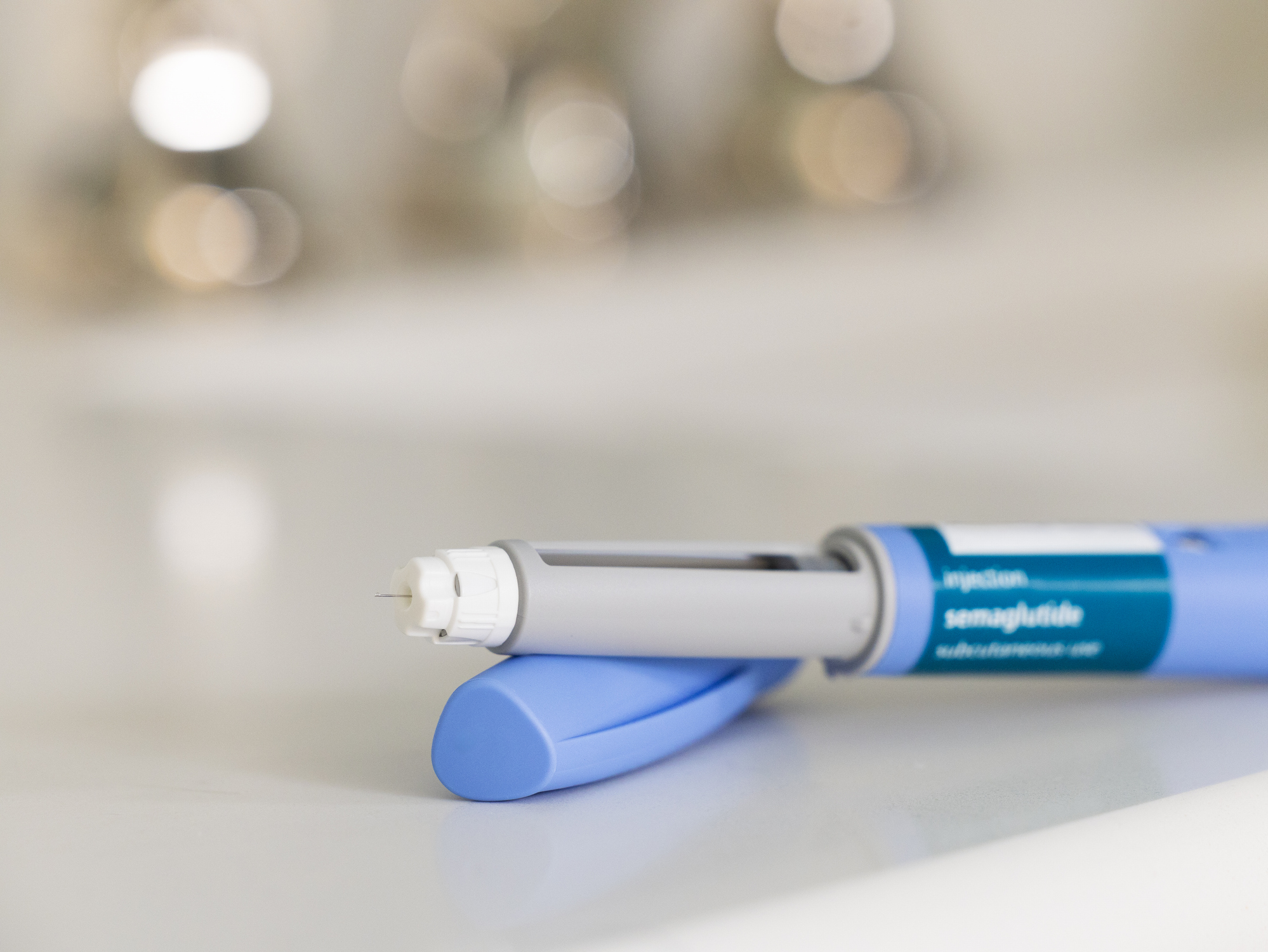
Compounded vs. Brand-Name Semaglutide: An Honest Comparison
Compounded semaglutide isn't a knockoff and it isn't a miracle. It's a different product, made under different rules, and the honest tradeoffs are worth understanding before you choose.

The Triad: hEDS, POTS, and MCAS
hEDS/HSD, POTS, and mast-cell symptoms can occur in the same patient, but the reasons for that overlap are still being studied. Here's what is known — and what remains uncertain.

Diet and MCAS: What to Eat When You React to Everything
Food is one of the most common MCAS triggers. The right diet isn't a forever sentence — it's a tool to calm the system, identify your specific triggers, and rebuild a sustainable plate.

Where Do I Even Start with Fertility? A Step-by-Step Plan
Most fertility advice online assumes you're already in a clinic. This is the version for couples in month four, doing it on their own, who want a real plan.

Fertility Labs Explained — What Actually Matters
Most fertility lab panels look impenetrable. The story they tell isn't. Here's what each marker means and how I use them together.
Why Your Labs Can Be 'Normal' — and You Still Feel Unwell
If you've been told your labs are 'normal' but you feel anything but — there's a real reason for that. Understanding it changes the conversation.

NAC: The Underrated Supplement for Brain, Cravings, and Cellular Health
NAC is one of the most well-studied supplements you've never been offered. It's not trendy. It is, for the right patient, genuinely useful.
Understanding Your Basic Labs: CBC, CMP, and Cholesterol
Most people get the same three labs every year and never have them explained. Here's what each line item is telling you about your body.

What Is NAD+ — And Why Is Everyone Talking About It?
NAD+ is real biochemistry. The supplement industry around it is uneven. This is what the molecule does, what's well-supported, and what's still hype.

Understanding Mast Cell Activation Syndrome (MCAS)
MCAS is a real, under-diagnosed condition where immune cells release inflammatory chemicals at the wrong threshold. This is what it is, what it feels like, and what to do.
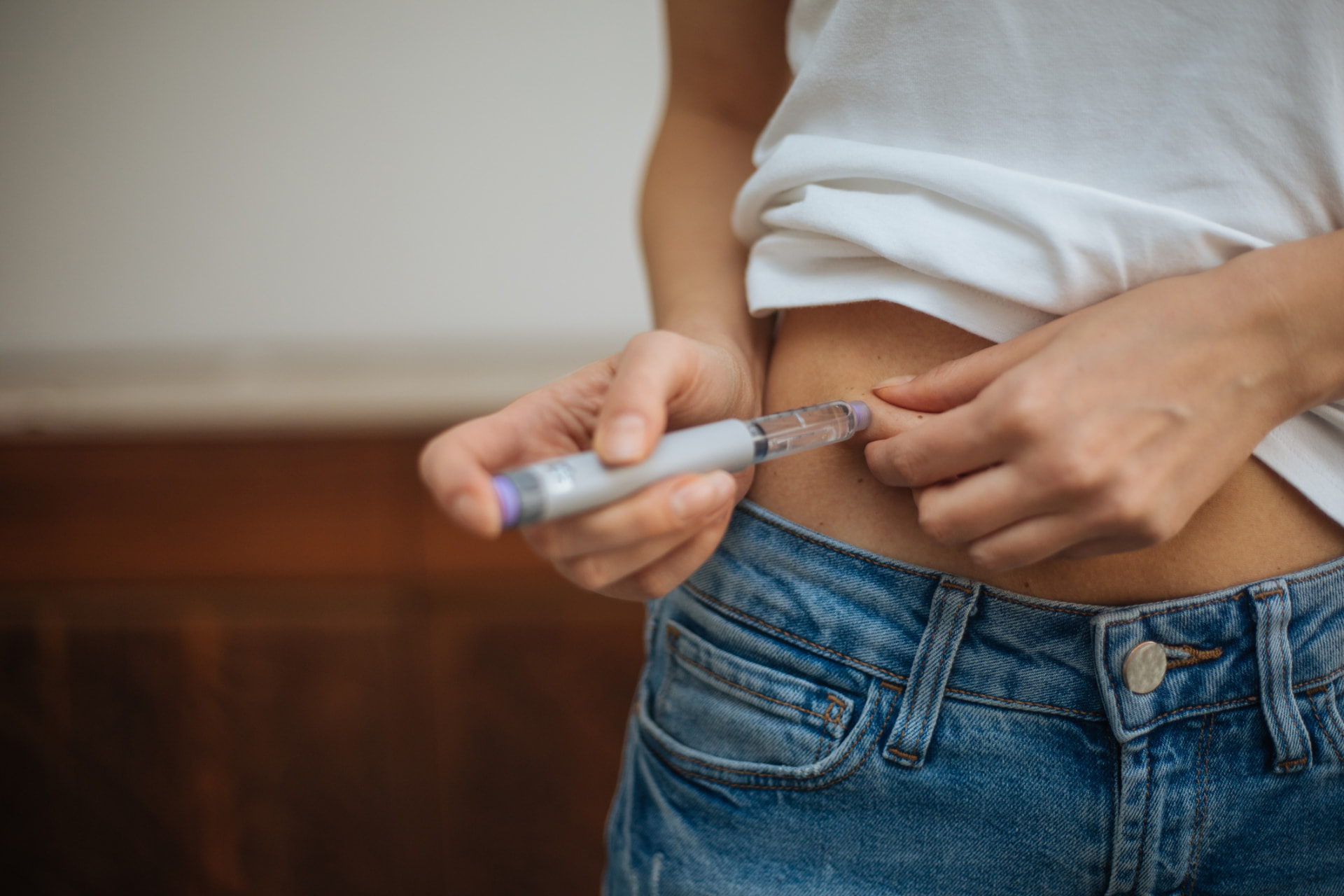
How GLP-1 Medications Actually Work
GLP-1s aren't a shortcut and they're not a miracle. They're a hormonal tool with a specific mechanism, a real safety profile, and a dosing strategy that matters more than the brand on the vial.

Perimenopause: The Decade No One Warned You About
Perimenopause isn't defined by hormone loss. It's defined by hormonal instability — and that instability can disrupt every system in the body years before periods stop.

Beyond Meat: Clean, Creative Ways to Boost Protein
Most adults aren't eating enough protein. The fix isn't more shakes — it's a wider repertoire of clean, real-food protein sources.

Testosterone Therapy: What Men Should Understand Before Starting
TRT works — but it's a lifelong commitment with real tradeoffs. Fertility, hematocrit, estrogen balance, and cardiovascular health all need to be on the table before the first injection.

When Hormones Strain Relationships
Libido, irritability, emotional distance, and the slow erosion of intimacy often have a measurable physiologic cause. Hormones don't excuse anything. But they explain a lot.

Which GLP-1 Medication Is Right? A Clinician's Overview
Brand names get the attention. What actually matters is mechanism, dosing flexibility, side-effect profile, and what you're trying to treat.