Compounded vs. Brand-Name Semaglutide: An Honest Comparison
What the FDA actually said, what changed when the shortage ended, and how to think about compounded GLP-1s in 2026.
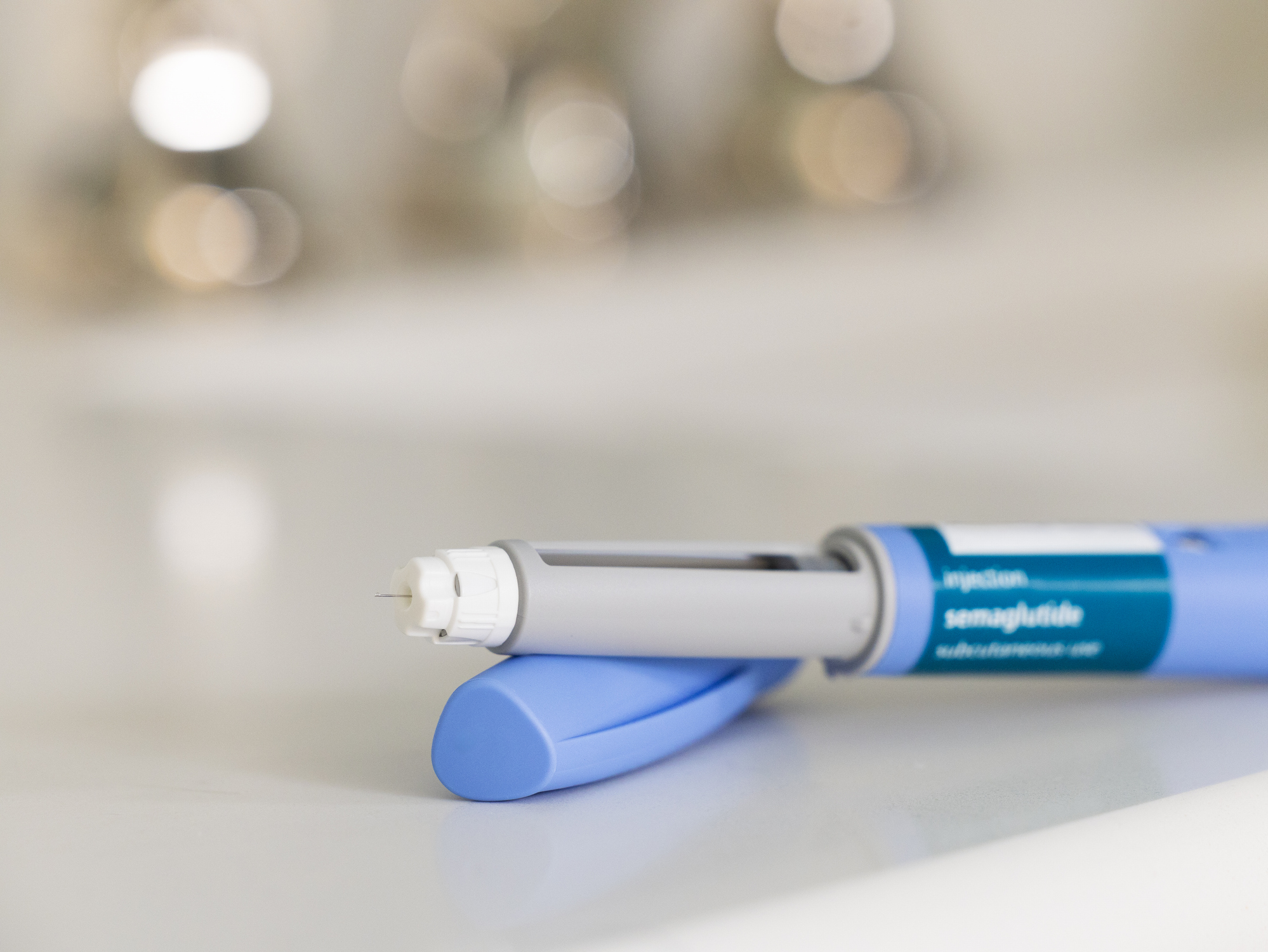
- 01Brand-name Wegovy and Ozempic are FDA-approved finished products with consistent dose, purity, and labeling.
- 02Compounded semaglutide is mixed by a licensed pharmacy for an individual patient — legal in specific circumstances, but not FDA-approved as a product.
- 03When the FDA shortage ended, mass-market compounding of plain semaglutide became restricted. Personalized formulations (e.g., with B12) are still permitted under 503A rules.
- 04Real differences: cost, dose flexibility, supply chain transparency, and what happens if something goes wrong.
- 05Both can be appropriate depending on the patient and the clinical situation. The choice should be clinical, not financial-only.
Almost every GLP-1 conversation in 2026 still starts with the same question: is the compounded version the same as the brand?
Important context: This article explains the general differences between brand-name and compounded semaglutide. It is not an endorsement of either, nor is it a guarantee that any particular product or pharmacy is available through a specific clinic. Medication decisions belong to a patient-clinician relationship, not a blog post.
The honest answer is: no, but not in the way most people assume. Here's what's actually different, what the FDA rules are now that the shortage has ended, and how clinicians typically think about the choice.
The two products
Brand-name semaglutide (Ozempic, Wegovy, Rybelsus) is manufactured by Novo Nordisk under FDA approval. Every pen is identical: same active ingredient, same concentration, same excipients, same expiration testing, same labeling.
Compounded semaglutide is mixed by a licensed compounding pharmacy — either a 503A pharmacy (patient-specific) or a 503B outsourcing facility (batch, FDA-registered but not FDA-approved). The active ingredient is sourced from an FDA-registered API supplier. The pharmacy combines it with a sterile carrier, sometimes with additional ingredients like B12 or glycine.
Both can be safe. They are not the same product.
What changed when the shortage ended
From 2022 through late 2024, semaglutide was on the FDA shortage list. Under section 503A and 503B of the FD&C Act, that allowed pharmacies to compound it more freely.
In late 2024 the FDA declared the shortage resolved. The compliance picture now:
- Plain semaglutide, mass-compounded for telehealth marketing, is no longer permitted.
- Patient-specific compounding under 503A is still legal when there is a documented clinical reason — typically a dose not commercially available, an allergy or intolerance to an inactive ingredient, or a personalized combination (semaglutide + B12, for example).
- Reputable pharmacies have shifted to these personalized formulations. Sketchy operations have not, and that is a meaningful signal.
If a clinic is still selling plain compounded semaglutide as a flat monthly subscription with no clinical individualization, that is worth questioning.
Where the real differences live
Cost. Compounded is meaningfully cheaper — often $200–$400/month versus $1,000–$1,400 for brand without insurance coverage. For patients paying cash, this is not a small difference.
Dose flexibility. Brand pens come in fixed dose steps. Compounded vials allow finer titration, which can matter for patients who are very sensitive to side effects or who plateau between standard steps.
Supply chain transparency. Brand: one manufacturer, one quality system. Compounded: the pharmacy's API supplier matters, their sterility testing matters, their beyond-use dating matters. A good compounding pharmacy should be willing to tell you who their API supplier is and share their certificates of analysis.
If something goes wrong. Brand product has a clear adverse-event reporting pathway and manufacturer liability. Compounded sits in a more complicated space. This is not theoretical — it is the single biggest reason pharmacy selection matters.
What's actually in it. Independent testing in 2023–2024 found that some compounded products contained semaglutide salts (sodium or acetate) rather than the base molecule studied in trials. Reputable clinicians typically require base semaglutide from their pharmacy partners and verify it.
How a clinician typically decides
A clinician may recommend brand-name when:
- Insurance covers it (always run this first).
- The patient is at a stable maintenance dose that matches a commercial pen.
- There is any history that makes provenance especially important — pregnancy planning, transplant medications, complicated allergies.
A clinician may consider compounded when:
- Cost is the difference between staying on therapy and stopping.
- The patient needs a dose that doesn't exist commercially (micro-doses for tolerance, fractional steps between 1.0 and 1.7 mg).
- There is a clinical reason for a personalized formulation (B12 in patients with low B12, for instance).
In both cases the medical workup, the dosing strategy, the follow-up cadence, and the safety monitoring should be the same. The molecule is one part of the program.
Questions to ask before you start
- Is this a 503A or 503B pharmacy? Are they licensed in my state?
- What is the API source and do you have a current certificate of analysis?
- Is the product semaglutide base, or a salt form?
- What is the beyond-use date on my vial and how should it be stored?
- Who is my prescribing clinician and how do I reach them if something happens?
If a telehealth platform can't answer these in plain language, that's the answer.
The honest bottom line
Brand-name is the studied product. Compounded, done right, is a reasonable cash-pay alternative with real tradeoffs. Done poorly, it is the wild west.
The medication is the smaller part of the work. The bigger part is the dosing plan, the protein and movement strategy, the follow-up, and the off-ramp when you get to your goal. That part doesn't change with the brand on the vial.
This article is educational. It does not mean every clinic offers every option, and it does not replace a conversation with the clinician who will actually manage your care.
References
- U.S. Food and Drug Administration. Medications containing semaglutide marketed for type 2 diabetes or weight loss. 2024
- U.S. Food and Drug Administration. Compounding and the FDA: Questions and Answers.
- Prescribing information: Wegovy, Ozempic (Novo Nordisk); Zepbound, Mounjaro (Eli Lilly)
Related care
If this is what you're working through, read more about Medical Weight Loss & GLP-1 Care.
Ready for the conversation?
Have a real visit with Mallory.
Telehealth visits with one clinician, continuity between visits, and no rotating staff.