Beyond Meat: Clean, Creative Ways to Boost Protein
How to actually hit 100–150 g of protein a day without living on chicken breast and powders.
- 01Most adults need 0.7–1 g protein per pound of goal body weight, especially with weight loss or training.
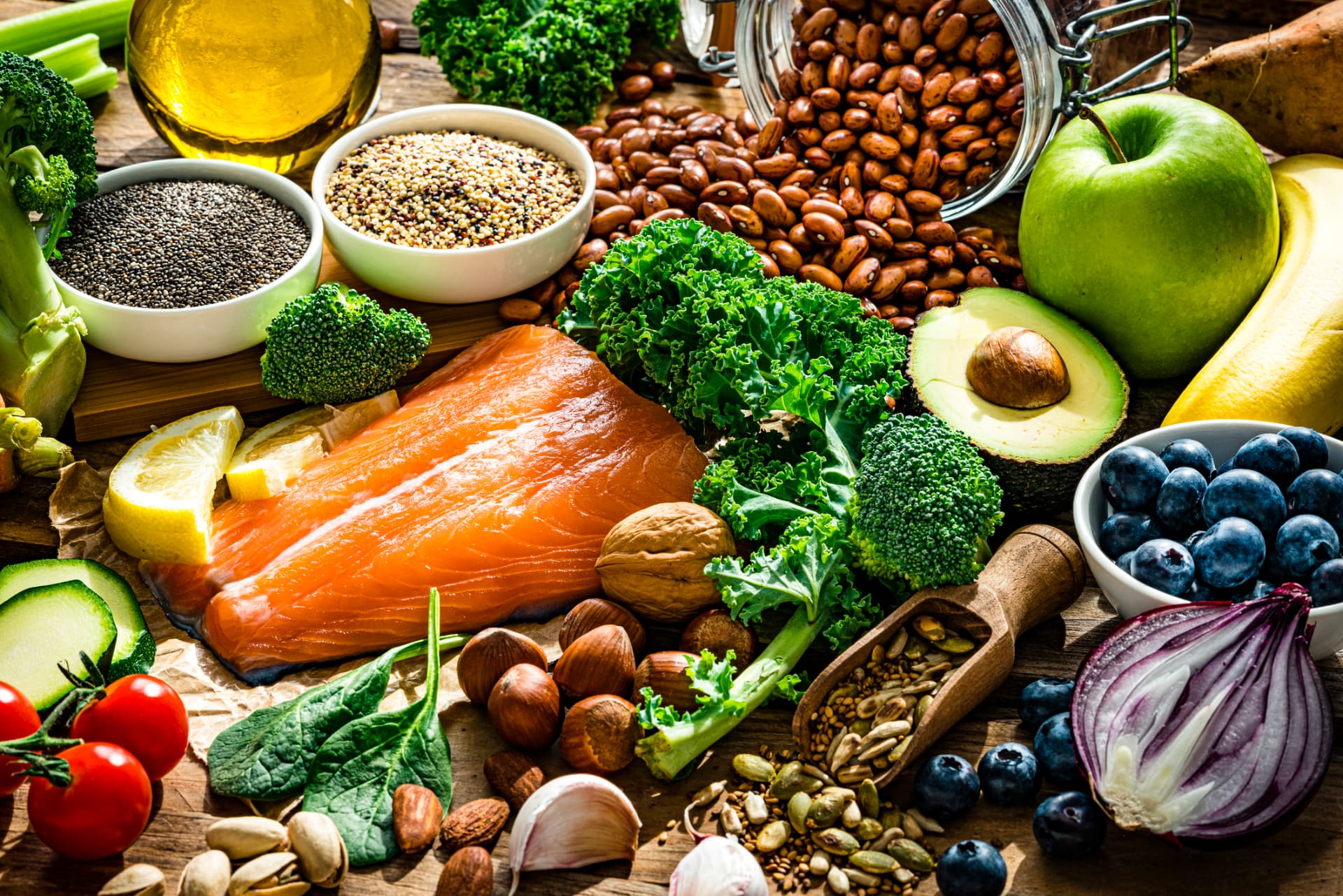
- 02Lean meats and fish are convenient — but eggs, dairy, legumes, soy, seafood, and clean powders all carry their weight.
- 03Spread protein across 3–4 meals; the body uses it better than a single high-protein dinner.
- 04On GLP-1s and during weight loss, protein protects muscle. It's the most important macronutrient to track.
Most adults — particularly women, particularly anyone over 40, and particularly anyone on a GLP-1 — aren't eating enough protein. The fix isn't another tub of whey powder. It's a wider repertoire.
How much you actually need
The old RDA of 0.8 g/kg is a deficiency floor, not a performance target. For most adults working on body composition, metabolic health, or aging well:
- Target: 0.7–1 g protein per pound of goal body weight per day.
- For someone targeting 150 lb: 105–150 g protein/day.
- Distributed across 3–4 meals of ~30–40 g each.
On a GLP-1, during weight loss, or during illness recovery, this becomes more important, not less. Protein protects lean mass when calories are reduced.
Protein per serving — useful reference
Animal:
- Chicken breast, 4 oz cooked: ~30 g
- Salmon, 4 oz: ~25 g
- Greek yogurt, plain, 1 cup: ~20 g
- Cottage cheese, 1 cup: ~25 g
- 3 large eggs: ~18 g
- Canned tuna, 1 can: ~20 g
- Canned sardines, 1 tin: ~22 g
- Shrimp, 4 oz: ~24 g
Plant:
- Tofu, firm, 4 oz: ~14 g
- Tempeh, 4 oz: ~22 g
- Edamame, 1 cup shelled: ~18 g
- Lentils, 1 cup cooked: ~18 g
- Black beans, 1 cup cooked: ~15 g
- Hemp seeds, 3 tbsp: ~10 g
Supplements (clean):
- Whey isolate, 1 scoop: ~25 g
- Pea/rice blend, 1 scoop: ~20 g
What I recommend in practice
Breakfast: get to 30g. This is where most people fall short. Greek yogurt + protein powder + berries. Three eggs + cottage cheese on the side. Smoked salmon + eggs. Tofu scramble + edamame.
Lunch: easy 30–40g. Salads almost always need a doubled protein portion. Add a tin of sardines, an extra chicken thigh, or a hard-boiled egg.
Dinner: easy 35–45g. Most "real meals" already hit this. Fish + roasted veg, a stir-fry with tofu and shrimp, a bowl with chicken or lentils.
Snack if needed: 15–25g. A scoop of protein with water if you're short. Cottage cheese with fruit. Edamame. Beef jerky if the ingredients are clean.
On clean protein powders
You don't have to use them. If you do, look for:
- Short ingredient list.
- Whey isolate or grass-fed whey concentrate; or for plant: pea/rice/hemp blends.
- No artificial sweeteners if you tolerate poorly; allulose, stevia, or monk fruit are reasonable.
- Third-party tested (NSF Certified for Sport, Informed Choice).
Skip anything that reads like a chemistry experiment or makes claims about "fat-burning blends."
On GLP-1s specifically
Appetite is suppressed. That makes the protein math harder, not easier. Two strategies:
- Front-load protein. Eat it first at each meal. Get most of your day's protein in by lunch.
- Liquid calories count. A protein shake counts as a meal when food doesn't appeal. Better to hit your target via shake than to miss it because you weren't hungry.
I monitor lean mass with body composition during weight loss programs for exactly this reason. Weight on the scale is a poor measure. What kind of weight you're losing matters.
The bigger picture
Protein is the most consistently under-eaten macronutrient in my practice. Getting this right alone often shifts:
- Satiety (less snacking, less evening hunger).
- Body composition (more muscle retention with weight loss).
- Energy and recovery.
- Hair, nails, skin.
- Cognitive steadiness through the afternoon.
Most patients don't need to change their training, supplement stack, or sleep plan first. They need a few more grams on the plate.
References
- Morton RW et al. Protein supplementation and resistance training. British Journal of Sports Medicine. 2018
- Institute of Medicine. Dietary Reference Intakes for Energy, Carbohydrate, Fiber, Fat, Fatty Acids, Cholesterol, Protein, and Amino Acids. 2005
- Bauer J et al. PROT-AGE Study Group. Journal of the American Medical Directors Association. 2013
Related care
If this is what you're working through, read more about Medical Weight Loss & GLP-1 Care.
Ready for the conversation?
Have a real visit with Mallory.
Telehealth visits with one clinician, continuity between visits, and no rotating staff.