The Weight-Loss Tool Almost Everyone Overlooks: Sleep
Sleep isn't just about feeling rested. It directly affects the hormones that regulate hunger, metabolism, blood sugar, and even the type of weight you lose.

- 01Sleeping less than about six hours consistently increases hunger hormones and decreases the hormones that tell you you're full.
- 02Even a few nights of poor sleep can temporarily reduce insulin sensitivity and make blood sugar harder to regulate.
- 03Sleep doesn't just affect how much weight you lose — it can affect whether you lose fat or lean muscle.
- 04Snoring, morning headaches, daytime fatigue, and high blood pressure may be signs of sleep apnea, which is common and often goes undiagnosed.
- 05You don't need a perfect bedtime routine. One consistent change can make a meaningful difference.
"I'm doing everything right... why am I so hungry?"
This is a conversation I have with patients all the time.
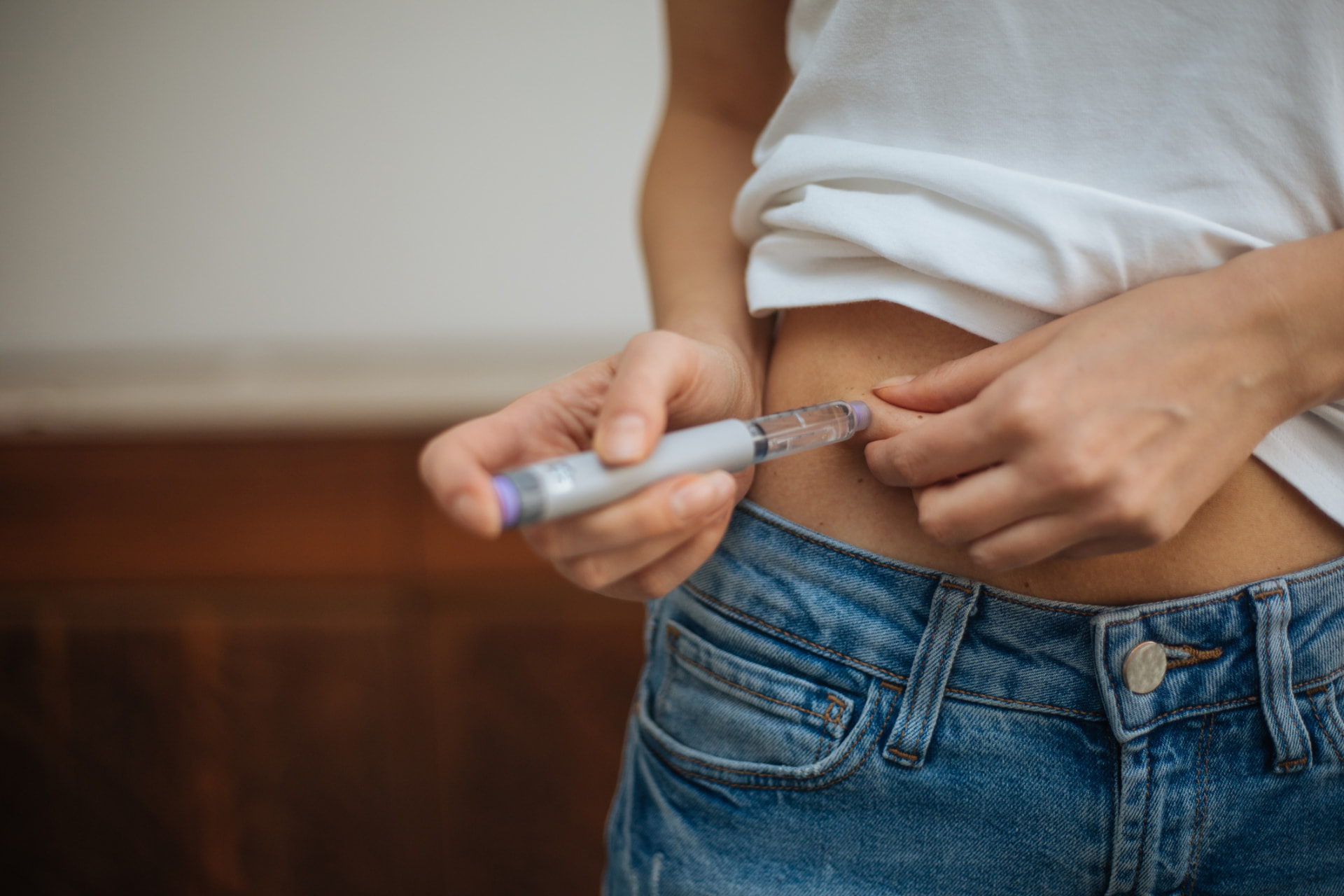
They tell me they're taking their GLP-1 medication, making healthier food choices, drinking more water, and trying to move their body — but suddenly they're hungry again.
Before I assume the medication isn't working, I ask one simple question:
"How have you been sleeping?"
More often than not, that's where we find part of the answer.
Sleep changes your hunger hormones
When you don't get enough sleep, your body doesn't just make you feel tired. It actually changes the hormones that regulate appetite.
Studies show that sleeping around four to five hours per night increases ghrelin, the hormone that tells your brain you're hungry, while lowering leptin, the hormone that signals you've had enough to eat.
In other words, your body is literally telling you to eat more — even if you've had enough calories.
This isn't a lack of willpower. It's biology.
Many people also notice they crave foods that are high in sugar, fat, or refined carbohydrates after a poor night's sleep. Research supports that too.
Sleep affects blood sugar too
Poor sleep doesn't just make you hungrier.
Even a few nights of restricted sleep can temporarily reduce insulin sensitivity, making it harder for your body to regulate blood sugar efficiently.
That doesn't necessarily mean you have diabetes. It does mean your metabolism may not be working as well as it normally does.
Sometimes patients are surprised when a blood sugar or A1c is slightly higher than expected after several weeks of poor sleep. While many factors contribute to glucose levels, sleep is often one piece of the puzzle that's overlooked.
Sleep can change what kind of weight you lose
This is one of the most interesting findings from the research.
In one study, participants followed the exact same calorie deficit. The only major difference was how much they slept.
The people who slept longer lost significantly more body fat. Those who slept less lost more lean body mass and less fat — even though the total number of pounds lost was similar.
That's important because preserving muscle is one of the best things you can do for your metabolism, especially while losing weight.
If you're taking a GLP-1, sleep matters even more
GLP-1 medications can be incredibly effective, but they aren't magic. They're one tool.
Sleep, nutrition, movement, protein intake, and strength training all work together.
If you're consistently sleeping four or five hours each night, your body is working against many of the same metabolic improvements we're trying to achieve with treatment.
That doesn't mean your medication isn't working. It means there may be another piece of the puzzle we need to address.
What I look for during weight-loss visits
I don't just ask how many hours you're sleeping. I also ask about symptoms that could suggest an underlying sleep disorder.
Some of the things I pay attention to include:
- Loud snoring
- Someone telling you that you stop breathing while asleep
- Waking up with headaches
- Feeling exhausted even after sleeping
- High blood pressure that's difficult to control
- Frequent nighttime awakenings
If sleep apnea is a possibility, a home sleep study is often an easy next step and can make a tremendous difference in both health and weight management.
I also think about other common contributors to poor sleep, including restless legs syndrome, iron deficiency, anxiety, and perimenopause.
One change I recommend to almost everyone
People often expect me to hand them a long list of sleep hygiene recommendations. Usually, I don't.
Instead, I focus on one habit that tends to have the biggest impact:
Wake up at the same time every day — even on weekends.
A consistent wake time helps regulate your body's internal clock and often improves sleep quality more than trying to chase the perfect bedtime.
Once that's consistent, we can build from there.
The bottom line
Sleep is one of the most overlooked parts of successful weight management.
It influences hunger, cravings, blood sugar, metabolism, recovery, and even the type of weight your body loses.
If you're frustrated because your progress has slowed, don't assume you've failed or that your medication has stopped working.
Sometimes the next step isn't changing your dose. Sometimes it's getting another hour of sleep.
References
- Spiegel K, Tasali E, Penev P, Van Cauter E. Sleep curtailment in healthy young men is associated with decreased leptin levels, elevated ghrelin levels, and increased hunger and appetite. Ann Intern Med. 2004;141(11):846-850.
- Nedeltcheva AV, Kilkus JM, Imperial J, Schoeller DA, Penev PD. Insufficient sleep undermines dietary efforts to reduce adiposity. Ann Intern Med. 2010;153(7):435-441.
- Buxton OM, et al. Sleep restriction for one week reduces insulin sensitivity in healthy adults. Diabetes. 2010;59(9):2126-2133.
- St-Onge MP, et al. Sleep duration and quality: impact on lifestyle behaviors and cardiometabolic health. Circulation. 2016;134(18):e367-e386.
- American Academy of Sleep Medicine. Clinical Practice Guideline for Diagnostic Testing for Adult Obstructive Sleep Apnea. J Clin Sleep Med. 2017.
Related care
If this is what you're working through, read more about Medical Weight Loss & GLP-1 Care.
Ready for the conversation?
Have a real visit with Mallory.
Telehealth visits with one clinician, continuity between visits, and no rotating staff.