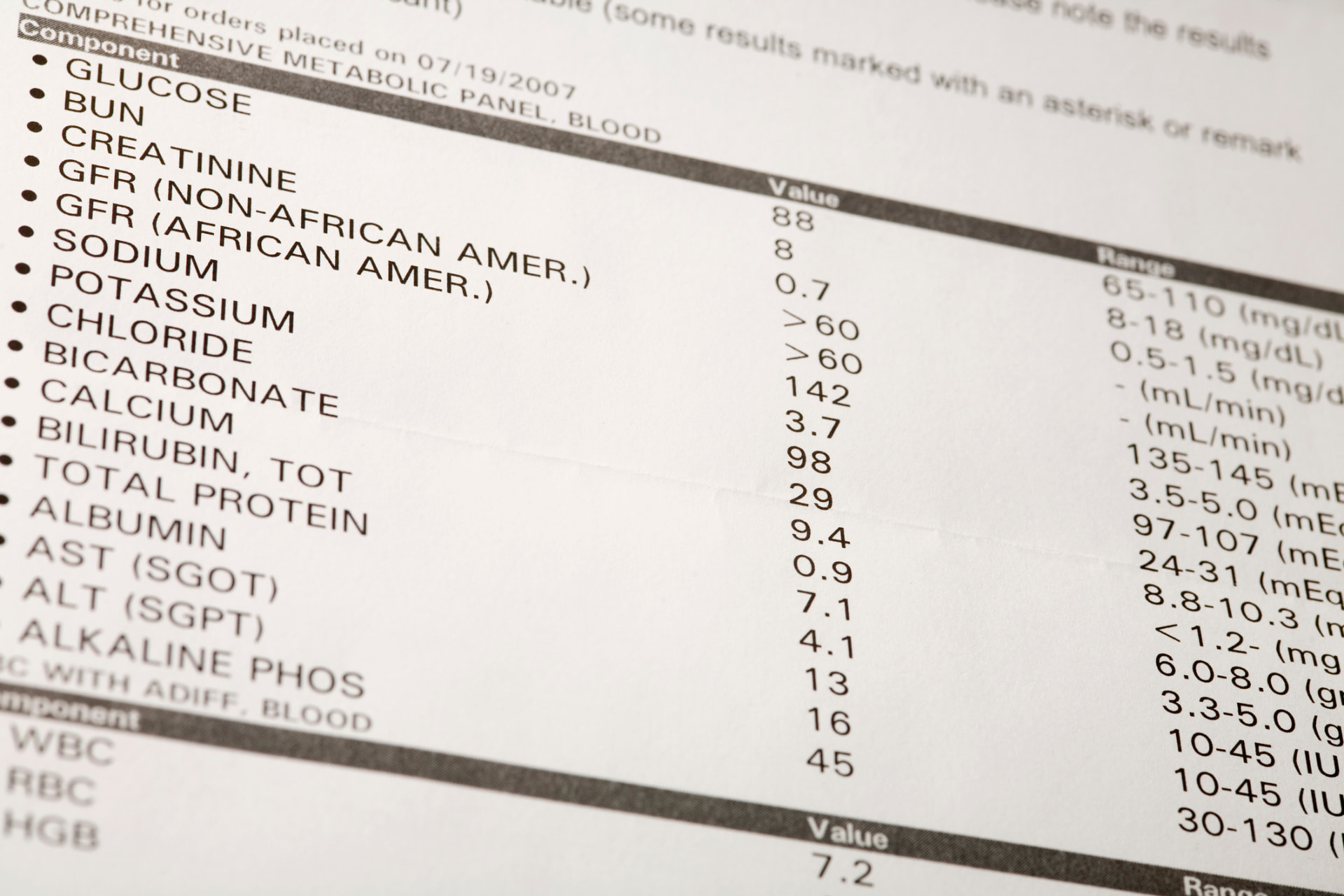
Understanding Your Basic Labs: CBC, CMP, and Cholesterol
What your standard panel actually measures — and which numbers deserve your attention.
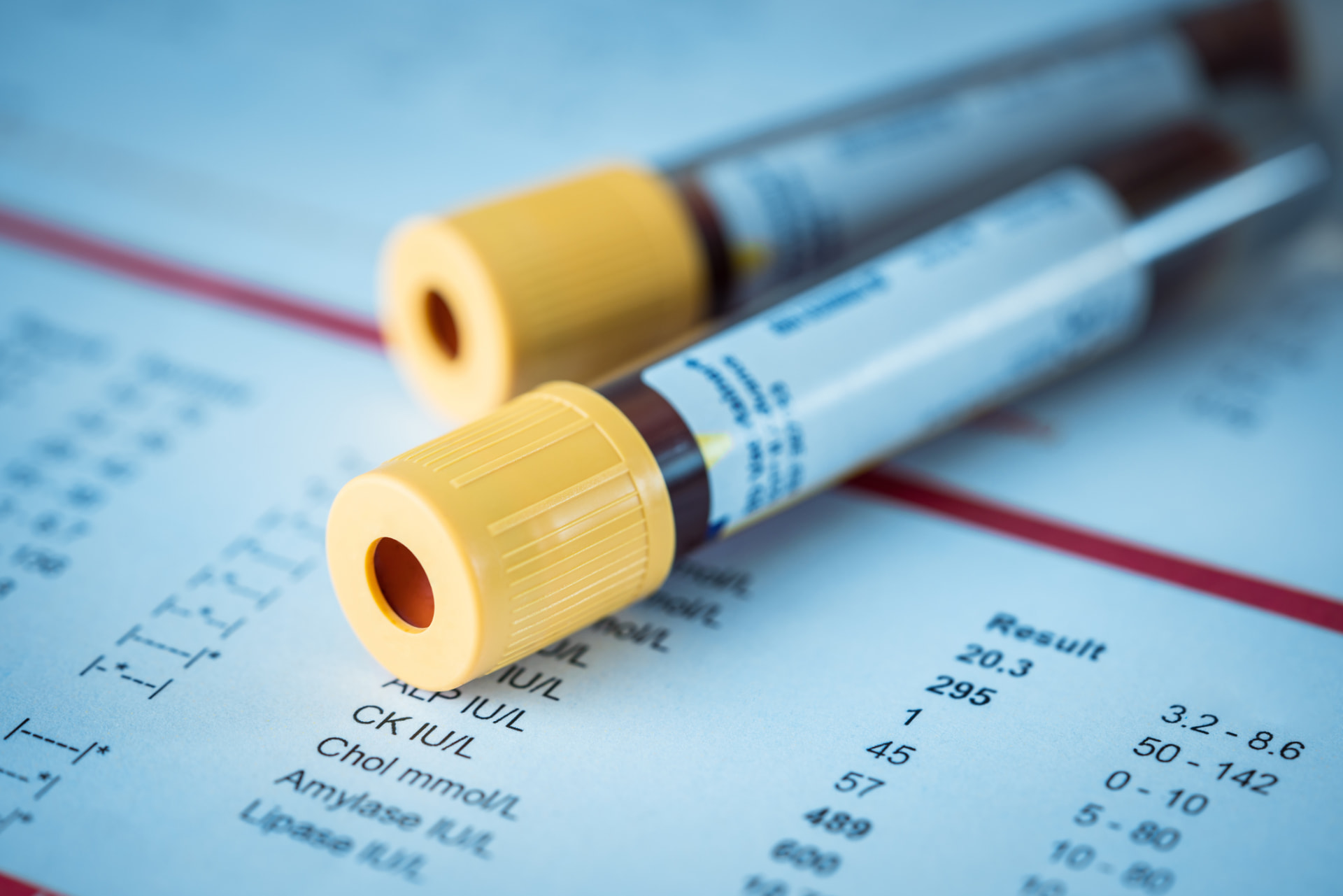
- 01CBC measures the cells in your blood — red, white, and platelets.
- 02CMP measures the chemistry — kidneys, liver, electrolytes, glucose.
- 03Standard cholesterol underreports risk; ApoB and Lp(a) are better.
- 04'Normal range' means statistical normal in the lab's population — not optimal for you.
If you've ever gotten a packet of lab results, glanced at the green checkmarks, and put it in a drawer, you're not alone. Here's what's actually being measured, and which numbers are worth a closer look.
CBC — Complete Blood Count
The CBC counts and characterizes the cells in your blood.
Red blood cells, hemoglobin, hematocrit — your oxygen-carrying capacity.
- Low: anemia. Most often iron deficiency (women), B12 deficiency, chronic inflammation, or blood loss.
- High: dehydration, smoking, sleep apnea, occasionally a primary blood disorder.
MCV, MCH, MCHC — the size and hemoglobin content of red cells. These tell you what KIND of anemia.
- Low MCV (microcytic): usually iron deficiency.
- High MCV (macrocytic): usually B12 or folate deficiency, sometimes alcohol or thyroid.
White blood cells (WBC) and differential — your immune system.
- High WBC: infection, inflammation, stress, sometimes leukemia.
- Low WBC: viral infection, autoimmune disease, some medications.
- The differential (neutrophils, lymphocytes, monocytes, eosinophils, basophils) tells you what kind of immune challenge.
Platelets — clotting.
- Low: bleeding risk, autoimmune (ITP), viral, certain medications.
- High: inflammation, iron deficiency, sometimes a primary marrow issue.
CMP — Comprehensive Metabolic Panel
The CMP is your chemistry — kidneys, liver, electrolytes, glucose.
Glucose (fasting) — your blood sugar at rest.
- 100–125 mg/dL: pre-diabetes range.
- ≥126 mg/dL on two occasions: diabetes.
- I care about this even when it's "normal" — high-normal fasting glucose in your 40s often becomes diabetes in your 50s.
Sodium, potassium, chloride, bicarbonate — electrolytes. Tightly regulated; abnormalities usually mean medication effect, dehydration, kidney issues, or hormonal disorders.
BUN and creatinine — kidney function. The eGFR (estimated glomerular filtration rate) is the most useful single number. Below 60 sustained = chronic kidney disease.
Calcium — bone, nerve, muscle function. Elevated calcium warrants a workup (parathyroid, vitamin D, malignancy).
Liver enzymes (ALT, AST, ALP) — liver injury markers, not liver function per se. Mildly elevated ALT/AST is most often fatty liver disease — the most common liver issue in adults today.
Albumin and total protein — synthesis and nutrition. Low albumin can indicate liver dysfunction, chronic inflammation, or significant nutritional deficit.
Bilirubin — liver clearance. Mildly elevated indirect bilirubin in an otherwise healthy person is often Gilbert's syndrome — benign.
Lipid panel — and why standard cholesterol underreports
Standard panel: total cholesterol, LDL, HDL, triglycerides.
Total cholesterol is the least informative number. Stop anchoring on it.
LDL — traditionally "bad cholesterol." Strong driver of atherosclerotic cardiovascular disease.
HDL — traditionally "good cholesterol." Higher generally better; the relationship is non-linear, and very high HDL isn't necessarily protective.
Triglycerides — marker of metabolic health. Elevated triglycerides + low HDL is the classic insulin-resistance signature.
Triglyceride/HDL ratio — quick proxy for insulin resistance. Above 3 is concerning; under 1.5 is reassuring.
What's missing from a standard lipid panel
ApoB — the actual number of atherogenic particles. Two patients with the same LDL can have very different ApoB and very different risk. ApoB is the better target.
Lp(a) — genetically determined, lifelong risk factor for cardiovascular disease. Check it once. If it's elevated, you adjust everything else more aggressively.
If your only cardiovascular risk lab is a standard panel, you're using 1990s tools.
On "normal range"
Reference ranges are built from a statistical sampling of the lab's patient population. Two implications:
- "Normal" is a population descriptor, not "optimal for you."
- Many ranges drift as the population gets less healthy. TSH and vitamin D are good examples — the lower bounds of normal are not the same as therapeutic targets.
When I read your labs, I'm not just asking "is it in range" — I'm asking "is this number consistent with what your body should look like," and "is it trending the wrong direction even within range."
What to actually do
- Get your annual labs.
- Get a copy. Build a folder.
- Add ApoB and Lp(a) at least once.
- If something is abnormal, get it explained — not just "I'll watch it."
A real reading of your basic labs takes a clinician about 15 minutes. If yours have never been read that way, that's worth asking for.
References
- Grundy SM et al. 2018 AHA/ACC Guideline on the Management of Blood Cholesterol. Circulation. 2019
- U.S. Preventive Services Task Force. Statin Use for the Primary Prevention of Cardiovascular Disease in Adults. 2022
- Short MW, Domagalski JE. Iron Deficiency Anemia: Evaluation and Management. American Family Physician. 2013
Ready for the conversation?
Have a real visit with Mallory.
Telehealth visits with one clinician, continuity between visits, and no rotating staff.