NAC: The Underrated Supplement for Brain, Cravings, and Cellular Health
N-acetylcysteine doesn't have the marketing budget. It does have the data.
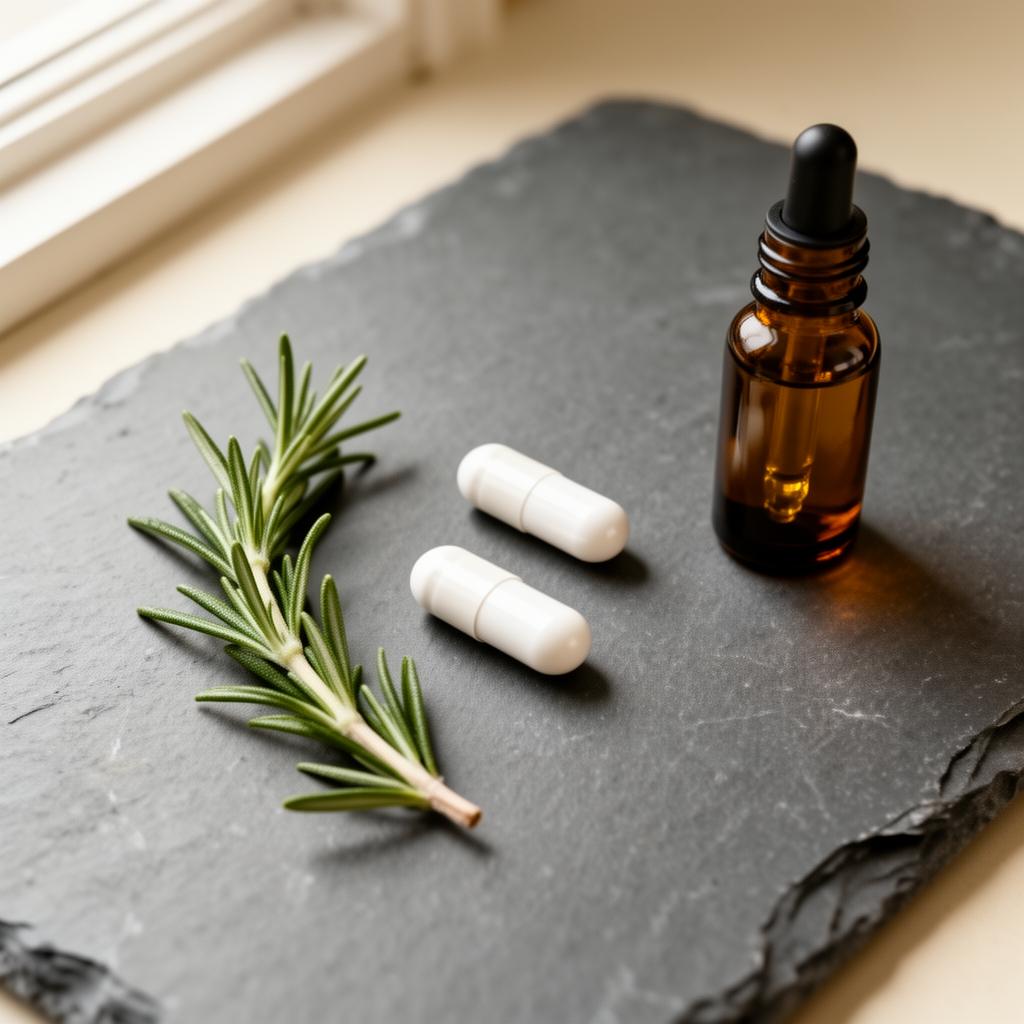
- 01NAC is a precursor to glutathione — your body's master antioxidant.
- 02It's FDA-approved for acetaminophen overdose and as a mucolytic — so the safety and efficacy at therapeutic doses is well-established.
- 03Off-label, it has reasonable evidence for OCD, trichotillomania, cravings (alcohol, nicotine), and PCOS-related insulin sensitivity.
- 04Typical doses: 600–1800 mg/day in divided doses. Cheap, generally well-tolerated.
- 05Discuss with your clinician before starting — particularly if you take nitrates or have asthma.
Most supplements in the wellness space have great marketing and modest evidence. NAC is the opposite. It doesn't have the marketing. The evidence is pretty good.
What NAC is
N-acetylcysteine is a derivative of the amino acid cysteine. Cysteine is the rate-limiting precursor to glutathione — your body's most important intracellular antioxidant.
NAC has been an FDA-approved medication for decades:
- For acetaminophen overdose (it's the antidote).
- As a mucolytic (loosens thick mucus in chronic lung disease).
- As a contrast-induced nephropathy preventive in some protocols.
That regulatory history means I have unusual safety data for a "supplement."
What it actually does
Three mechanisms account for most of its effects:
- Glutathione replenishment — protects cells from oxidative stress.
- Glutamate modulation in the brain — relevant to compulsive behaviors and cravings.
- Sulfhydryl donor effects — supports detoxification pathways in the liver.
What the evidence supports
Psychiatric:
- OCD and trichotillomania (hair pulling): multiple randomized trials show benefit at 1200–2400 mg/day.
- Substance cravings — alcohol, nicotine, cannabis: modest but real signal in trials.
- Bipolar depression and schizophrenia adjunct: some evidence, less robust.
Metabolic / endocrine:
- PCOS — improves insulin sensitivity and ovulatory function in trials, comparable in some studies to metformin at standard doses.
- Male fertility — improves sperm parameters in some trials.
Respiratory:
- Chronic bronchitis and COPD — well-established mucolytic effect.
Liver:
- Acetaminophen overdose (definitive).
- Fatty liver disease — improves liver enzymes in some studies, though not a stand-alone treatment.
General antioxidant support:
- Plausible role in oxidative-stress-dominant conditions (post-viral fatigue, certain chronic inflammatory states).
What I use it for clinically
In my practice, the common scenarios are:
- PCOS — as part of a broader insulin-sensitizing strategy.
- Compulsive behaviors — particularly hair pulling, skin picking, and certain OCD presentations, often alongside SSRI therapy.
- Recovery support — for patients reducing alcohol intake or working through nicotine cessation.
- Adjunct in fatty liver workups.
Dosing, briefly
- Most adult protocols: 600–1800 mg/day in divided doses.
- Some research protocols go to 2400 mg/day; that requires monitoring.
- Taken with or without food. Some patients tolerate it better with a meal due to a mild sulfur smell that can be off-putting.
Cautions
- Asthma: NAC can occasionally trigger bronchospasm. Use with caution.
- Nitrates / nitroglycerin: combination may amplify hypotension.
- Pregnancy: generally avoided unless specifically indicated by a clinician.
- Acetaminophen tolerance: if you take regular acetaminophen, discuss with your clinician — NAC modulates the metabolism.
It's not a "more is better" supplement. Start at the low end of an evidence-supported dose for your indication.
Why you probably haven't heard about it
NAC is generic and cheap. There's no pharmaceutical sales force pushing it, and it's not a hero ingredient for wellness brands the way ashwagandha or magnesium have become. It just works for what it works for, quietly.
If one of the indications above describes you, it's worth a conversation. It's one of the better risk/reward supplements available — but like everything, the right answer depends on what you're treating and what else you're taking.
References
- Šalamon Š et al. Medical and Dietary Uses of N-Acetylcysteine. Antioxidants. 2019
- Ooi SL et al. N-Acetylcysteine for the Treatment of Psychiatric Disorders. In Vivo. 2018
- Deepmala et al. Clinical trials of N-acetylcysteine in psychiatry and neurology. Neuroscience & Biobehavioral Reviews. 2015
Ready for the conversation?
Have a real visit with Mallory.
Telehealth visits with one clinician, continuity between visits, and no rotating staff.