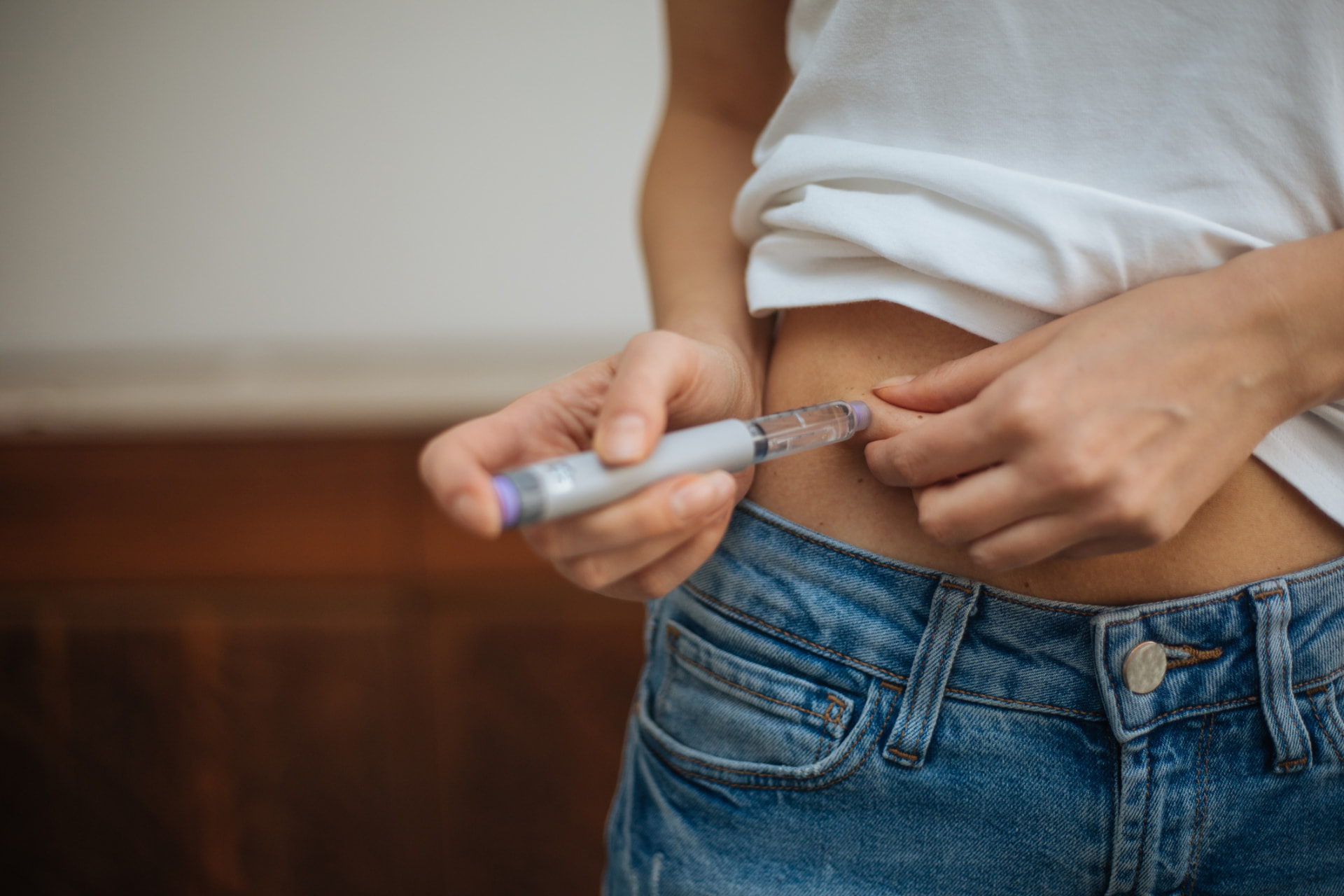
Which GLP-1 Medication Is Right? A Clinician's Overview
Semaglutide, tirzepatide, liraglutide, compounded — the practical differences that typically guide the decision.

- 01Semaglutide (Ozempic/Wegovy) is a single-receptor GLP-1 agonist with the longest track record.
- 02Tirzepatide (Mounjaro/Zepbound) adds GIP — usually more weight loss, sometimes more GI side effects.
- 03Liraglutide is daily and older; rarely the first choice now unless cost or supply dictates.
- 04Compounded options can be appropriate, but only from a licensed 503A or 503B pharmacy with verified sourcing.
- 05The 'right' GLP-1 is the one matched to your goal, your tolerance, and your access — not the trendiest brand.
If you're exploring GLP-1 therapy for weight, type 2 diabetes, PCOS, or cardiometabolic risk, the menu is more confusing than it needs to be. Brand names dominate the conversation. Mechanism, dosing, and individual fit don't.
This is a general educational overview of what's actually different between the options and how clinicians typically think about matching them to a patient. It is not a list of what any individual clinician will prescribe, and it isn't a substitute for an appointment.
The molecules, briefly
There are four GLP-1 or GLP-1-adjacent options most patients will encounter:
- Semaglutide — single GLP-1 receptor agonist. Weekly injection. Branded as Ozempic (diabetes), Wegovy (weight), and Rybelsus (oral, lower-potency).
- Tirzepatide — dual GIP/GLP-1 receptor agonist. Weekly injection. Branded as Mounjaro (diabetes) and Zepbound (weight).
- Liraglutide — single GLP-1 agonist. Daily injection. Branded as Victoza and Saxenda. Older. Largely superseded.
- Compounded semaglutide or tirzepatide — same active molecule, prepared by a compounding pharmacy. Legal under specific conditions (e.g., during FDA-listed shortages or when patient-specific clinical need is documented).
Mechanism in plain language
Semaglutide enhances one signal: GLP-1, which slows gastric emptying, increases satiety, and tightens glucose-dependent insulin release.
Tirzepatide does that AND activates GIP — a second incretin hormone that appears to improve insulin sensitivity and fat metabolism through a slightly different pathway. The net effect in the head-to-head SURPASS and SURMOUNT trials is meaningfully more weight loss on average (roughly 5–8 percentage points more total body-weight reduction at one year).
That doesn't make tirzepatide automatically better for you. It does make it the right starting point for many patients with significant weight or metabolic goals.
How clinicians typically choose
A real prescribing conversation considers:
1. What are you treating? Diabetes management, weight loss, PCOS, cardiometabolic risk reduction, or some combination — the indication shifts the calculus.
2. How is your stomach? GI side effects (nausea, reflux, constipation, delayed gastric emptying) are the most common reason people stop. A history of gastroparesis, severe GERD, or significant IBS often leads to lower starting doses or slower escalation regardless of brand.
3. What can you actually get? Insurance coverage, cash price, pharmacy availability, and supply status of brand product vs compounded option all matter. The best molecule you can't access consistently is worse than a workable one you can.
4. What's your dosing tolerance? Weekly injection vs daily, pen vs vial, the willingness to escalate slowly — these aren't trivial.
5. Family/personal history. Personal or family history of medullary thyroid carcinoma or MEN 2 is a contraindication. History of pancreatitis warrants caution. Pregnancy or active attempts to conceive: stop.
On compounded versions
Compounded semaglutide and tirzepatide are not "fake." When prepared by a properly licensed compounding pharmacy from verified active pharmaceutical ingredient (API), they can be a legitimate option — particularly during shortages of the branded product.
The questions to ask any clinic offering them:
- Is the compounding pharmacy a licensed 503A or 503B facility, named on the prescription?
- Is the API sourced from an FDA-registered manufacturer with a certificate of analysis?
- Is there a clear adverse-event reporting pathway?
If a clinic can't answer those questions cleanly, that's the answer.
What this looks like in a medical weight program
There is no single right answer for everyone. Many clinicians start weight-focused patients on either semaglutide or tirzepatide depending on goals, tolerance, and access; escalate slowly; monitor labs, blood pressure, and symptoms; and revisit the choice every 8–12 weeks.
If a medication isn't doing what was hoped, the plan changes. If it's doing too much (significant GI distress, rapid lean mass loss, lightheadedness), the plan changes. The medication is a tool, not an identity.
This article is educational and not a prescription recommendation. If you're considering GLP-1 therapy, a consultation with a qualified clinician is the right next step.
References
- Frías JP et al. SURPASS-2. New England Journal of Medicine. 2021
- Wilding JPH et al. STEP 1. New England Journal of Medicine. 2021
- Jastreboff AM et al. SURMOUNT-1. New England Journal of Medicine. 2022
- U.S. Food and Drug Administration. Medications containing semaglutide and tirzepatide: information for patients. 2024
Related care
If this is what you're working through, read more about Medical Weight Loss & GLP-1 Care.
Ready for the conversation?
Have a real visit with Mallory.
Telehealth visits with one clinician, continuity between visits, and no rotating staff.