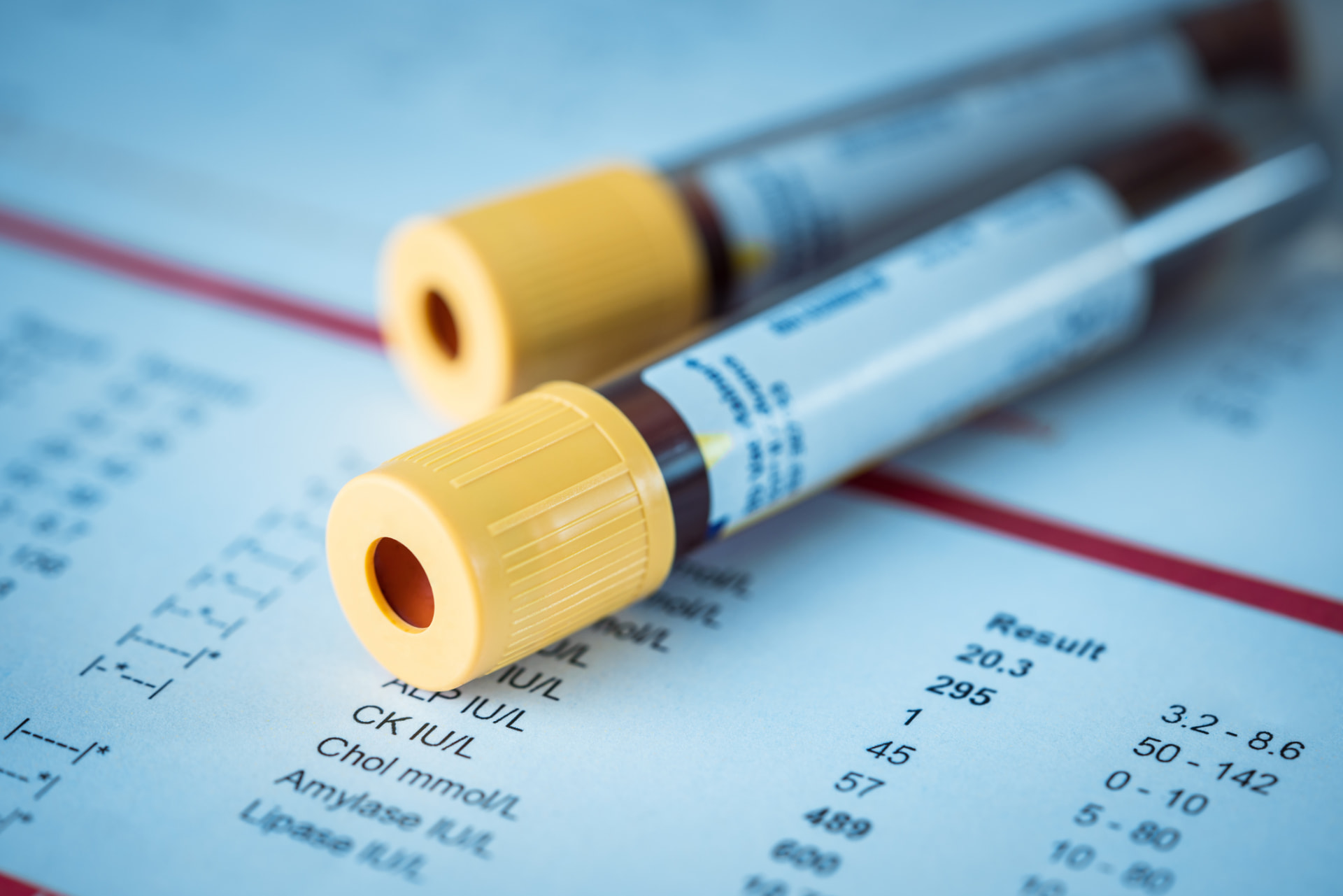
Why Your Labs Can Be 'Normal' — and You Still Feel Unwell
Reference ranges are population statistics, not personal targets. Here's the gap that explains a lot of unexplained fatigue.
- 01Reference ranges are built from population averages — not from healthy or optimal values.
- 02Subclinical thyroid dysfunction, low-normal ferritin, and high-normal glucose all sit 'in range' but cause symptoms.
- 03Your body is a system. Patterns matter more than individual numbers.
- 04If 'everything is normal' but you feel terrible, the labs are not the whole story.
If you've ever sat across from a clinician who said "your labs are normal" while you felt exhausted, foggy, anxious, or off — and walked out feeling more lost than when you came in — this is for you.
There's a real reason that gap exists.
What "normal" actually means
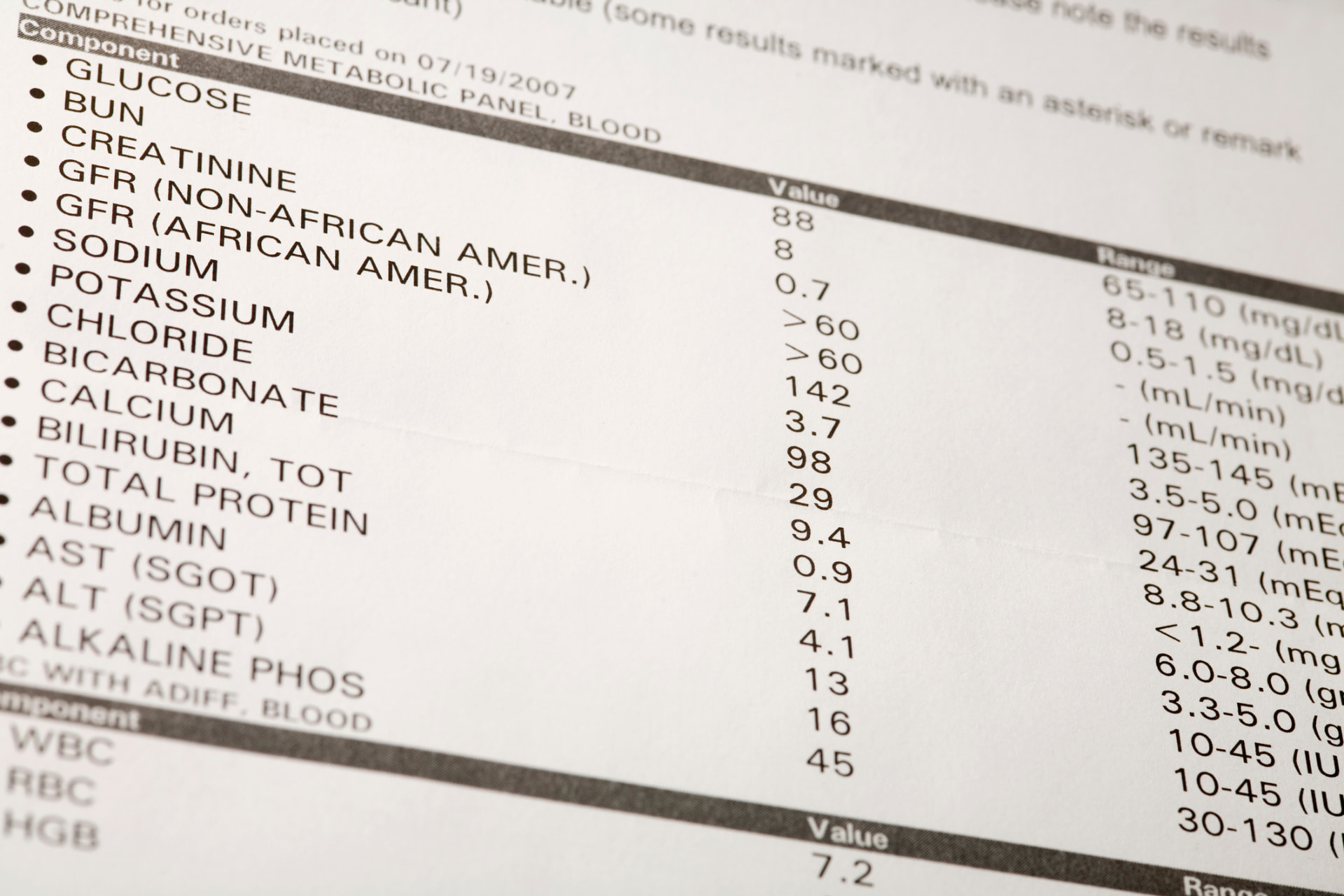
Reference ranges on a lab report aren't medical targets. They're statistical descriptions. A given lab takes its population of patients — including people who are sick, sedentary, sleep-deprived, on multiple medications — and defines "normal" as roughly the middle 95% of values seen.
Two consequences:
- As the underlying population gets less healthy, the "normal" range drifts. TSH is a clear example — what passes for normal now would have been a workup 30 years ago.
- Being in the range is not the same as being well. A TSH of 4.2 is "normal." It's also frequently the reason someone is exhausted, gaining weight, and losing hair.
Where the gap shows up in practice
Thyroid. Standard TSH range is roughly 0.4–4.5. Most people feel best between 0.5 and 2.5. A TSH of 3.8 with classic symptoms — fatigue, cold intolerance, dry skin, slow gut, hair shedding — is not normal for THAT patient, even if it's in the range.
Ferritin (iron stores). "Normal" often starts at 15 ng/mL. Many patients have meaningful symptoms — fatigue, hair loss, restless legs, exercise intolerance — at ferritin under 50, and especially under 30. The bottom of the range is not the bottom of healthy.
Vitamin D. "Normal" starts at 30 ng/mL. Most clinical literature targets 40–60.
B12. "Normal" extends to 200 pg/mL. Neurologic and cognitive symptoms appear well above that floor — often below 400.
Fasting glucose and A1c. "Normal" fasting glucose goes up to 99. An A1c of 5.6 is "normal." Both numbers, in the high-normal zone, in a 40-year-old, often predict diabetes within a decade.
Testosterone (men). "Normal" total testosterone is roughly 264–916 ng/dL. A 45-year-old man with a level of 320 with classic low-T symptoms is not the same as a 25-year-old at 320 with no symptoms.
The system view
Your body is not a list of numbers. It's a system, and systems compensate. You can have:
- Low-normal thyroid AND low-normal iron AND low-normal vitamin D — each "fine," together explaining significant fatigue.
- Normal fasting glucose AND high-normal triglycerides AND low HDL AND high-normal blood pressure — each fine, together describing early metabolic syndrome.
- Normal testosterone AND elevated SHBG — meaning your free testosterone is much lower than the total suggests.
When a clinician reads labs as a system, patterns appear that individual values hide.
What to ask for
If you've been told your labs are normal and you don't feel normal:
- Ask for the actual numbers. Not "normal" — the values.
- Ask where your numbers fall within the range. High-normal, low-normal, or middle.
- Ask about optimal vs reference range for the markers in question.
- Ask for any missing companion labs. TSH without free T4 is incomplete. Total testosterone without SHBG and free T is incomplete. Standard lipids without ApoB is incomplete.
- Ask for a re-read of the pattern, not just the individual values.
A note on "functional" and "optimal" ranges
There's a real conversation in medicine about where standard ranges should sit. There's also a parallel world of testing — hair mineral analysis, organic acids, food sensitivity panels — that often uses "optimal ranges" with weak or no evidence base.
The honest middle: use validated labs, but interpret them in context. The same blood test, read against population data vs read against what's healthy for someone your age and situation, can produce two different conclusions. Both are using real numbers. Only one tends to match how you feel.
What I do
I read your labs as a connected story, not a checklist. I ask what your goals are, what your symptoms are, what's trending, and what's missing. I add the markers that should have been there. And if something is "normal" but explaining how you feel, I name that — and I address it.
"Normal" is a useful starting point. It isn't a finish line.
References
- Andersen S et al. Narrow Individual Variations in Serum Thyroid Function Tests. Journal of Clinical Endocrinology & Metabolism. 2002
- Jonklaas J et al. American Thyroid Association Guidelines for the Treatment of Hypothyroidism. Thyroid. 2014
- Horowitz GL et al. CLSI EP28-A3c: Defining, Establishing, and Verifying Reference Intervals. 2010
Ready for the conversation?
Have a real visit with Mallory.
Telehealth visits with one clinician, continuity between visits, and no rotating staff.