Diet and MCAS: What to Eat When You React to Everything
A practical low-histamine framework — without turning food into another source of anxiety.
- 01Three categories drive food-related flares: high-histamine foods, histamine-liberators, and DAO blockers.
- 02Freshness matters as much as the food itself — leftovers accumulate histamine quickly.
- 03Start with a 4–6 week strict trial, then reintroduce systematically to find YOUR triggers.
- 04This is a diagnostic tool, not a forever diet. The goal is the smallest restriction that keeps you stable.
If you have MCAS, food is one of the fastest, most reproducible triggers. It's also one of the most fixable. This is a practical low-histamine framework — the version I actually use with patients.
The three categories that matter
1. High-histamine foods. Histamine accumulates as food ages, ferments, or cures.
- Aged cheeses (parmesan, cheddar, blue).
- Fermented foods (sauerkraut, kimchi, kombucha, yogurt, miso).
- Cured/processed meats (salami, bacon, deli meat, hot dogs).
- Smoked fish, canned fish, leftover fish of any kind.
- Vinegars, wine, beer, champagne.
- Tomatoes, spinach, eggplant, avocado.
- Aged or leftover anything.
2. Histamine liberators. Foods that don't contain much histamine themselves but trigger your mast cells to release it.
- Citrus, strawberries, pineapple, kiwi, banana, papaya.
- Chocolate, cocoa.
- Shellfish.
- Nuts (especially walnuts, cashews).
- Tomatoes (again — they belong to both lists).
- Food additives: artificial dyes, sulfites, benzoates.
3. DAO blockers. DAO is the enzyme that breaks histamine down in your gut. Block it and even moderate-histamine meals become problematic.
- Alcohol (the biggest one).
- Black, green, and matcha tea.
- Energy drinks.
- Some medications (NSAIDs, certain antidepressants, antibiotics — discuss with your clinician).
What's usually well tolerated
- Proteins: fresh-cooked or fresh-frozen poultry, fresh fish cooked the same day, eggs (often tolerated; sometimes not), grass-fed beef cooked fresh.
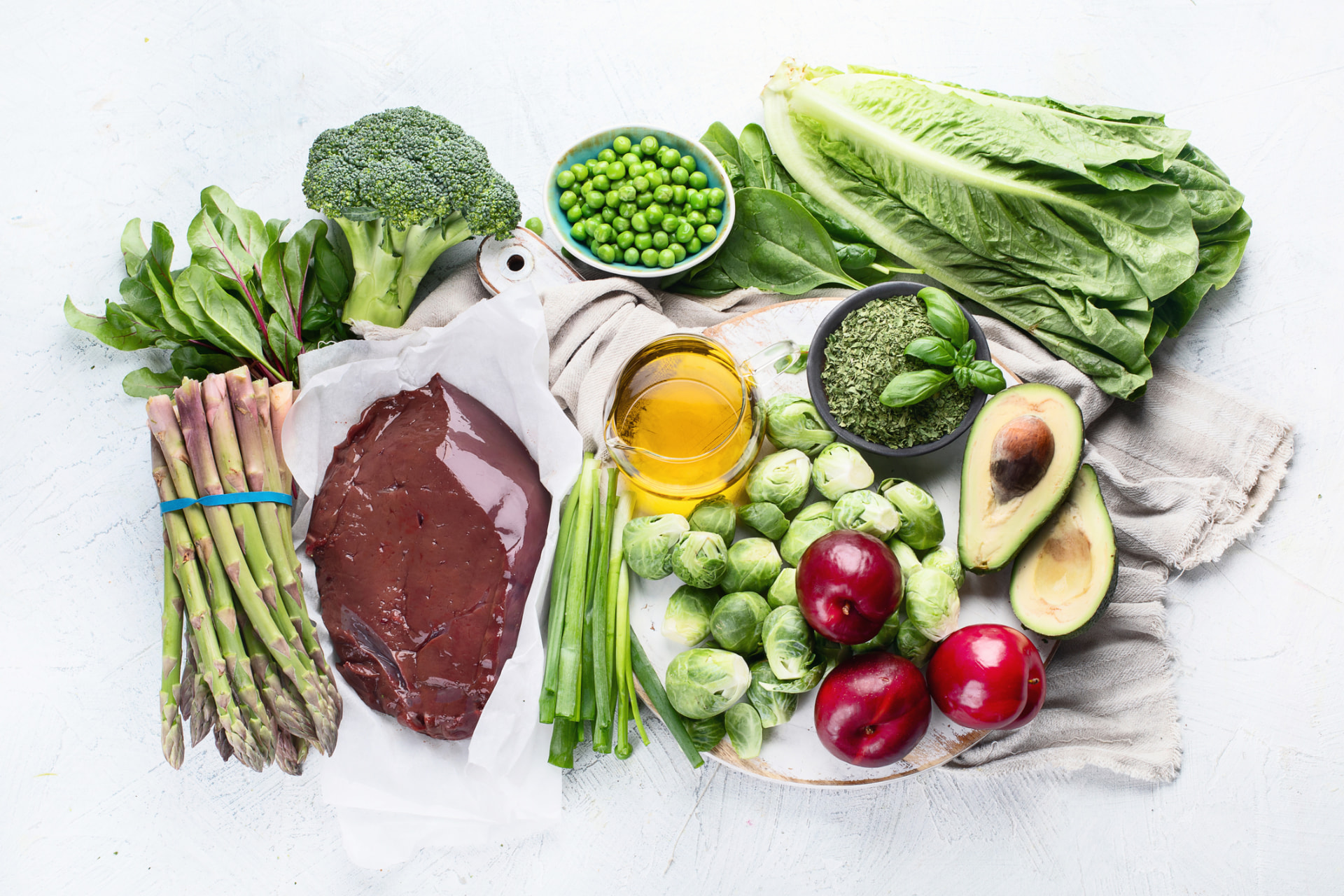
- Vegetables: zucchini, cucumber, lettuce, broccoli, asparagus, carrots, sweet potato, butternut squash, bell peppers (variable), most leafy greens except spinach.
- Fruits: apples, pears, blueberries, mango, fresh coconut.
- Grains: rice, quinoa, oats, gluten-free if also sensitive.
- Fats: olive oil, coconut oil, ghee.
- Beverages: filtered water, herbal teas (rooibos, ginger, peppermint, chamomile if tolerated).
The freshness rule
This is the part most patients miss. A piece of chicken cooked tonight is low-histamine. The exact same chicken eaten as leftovers tomorrow is significantly higher. Histamine accumulates as protein sits, even refrigerated.
Practical version:
- Cook proteins fresh, or
- Cook in batches and freeze immediately in single portions (not refrigerate — freeze).
- Thaw the night before, eat that day.
- Vegetables and grains tolerate leftovers better than proteins do.
How to run a trial
Weeks 1–4: Strict low-histamine. No alcohol, no aged anything, no leftovers older than 24 hours, no known liberators. Symptom log daily.
Weeks 4–8: Begin reintroduction. One new food every 3 days. Eat it twice in 24 hours. Log symptoms.
You're looking for your personal pattern — not the canonical list. Most patients are reactive to 6–12 specific foods, not the entire restricted list.
Beyond week 8: Build the broadest sustainable diet that keeps you stable. The goal is the smallest possible restriction.
What the diet won't do alone
Diet calms the input. It doesn't address the underlying mast cell hyperreactivity. Most patients do best with diet plus mast cell stabilizing therapy (H1/H2 blockers, cromolyn, quercetin) plus trigger reduction more broadly.
If you've been eating "perfectly clean" for months and aren't improving, you're missing a layer — usually pharmacologic stabilization, sometimes a co-existing condition (SIBO, gut dysbiosis, untreated POTS, thyroid issue).
What this looks like in my practice
I typically guide patients through a structured 6–8 week low-histamine trial alongside H1/H2 antihistamine optimization and a mast cell stabilizer. I reintroduce systematically and aim to land at a diet broad enough to eat at restaurants, travel, and have a life — not a forever cage.
Food shouldn't become another source of anxiety. The goal of the diet is to give you back the rest of your day.
References
- Comas-Basté O et al. Histamine Intolerance: The Current State of the Art. Biomolecules. 2020
- Sánchez-Pérez S et al. Nutrients. 2021
- Weiler CR et al. AAAAI Work Group Report. Journal of Allergy and Clinical Immunology. 2019
Related care
If this is what you're working through, read more about Complex & Whole-Person Care.
Ready for the conversation?
Have a real visit with Mallory.
Telehealth visits with one clinician, continuity between visits, and no rotating staff.