Heart, Bone, and Muscle: Why Midlife Is the Most Important Decade for Your Future Health
The menopause transition is one of the most important opportunities you'll ever have to protect your heart, preserve your bones, and maintain your muscle for decades to come.
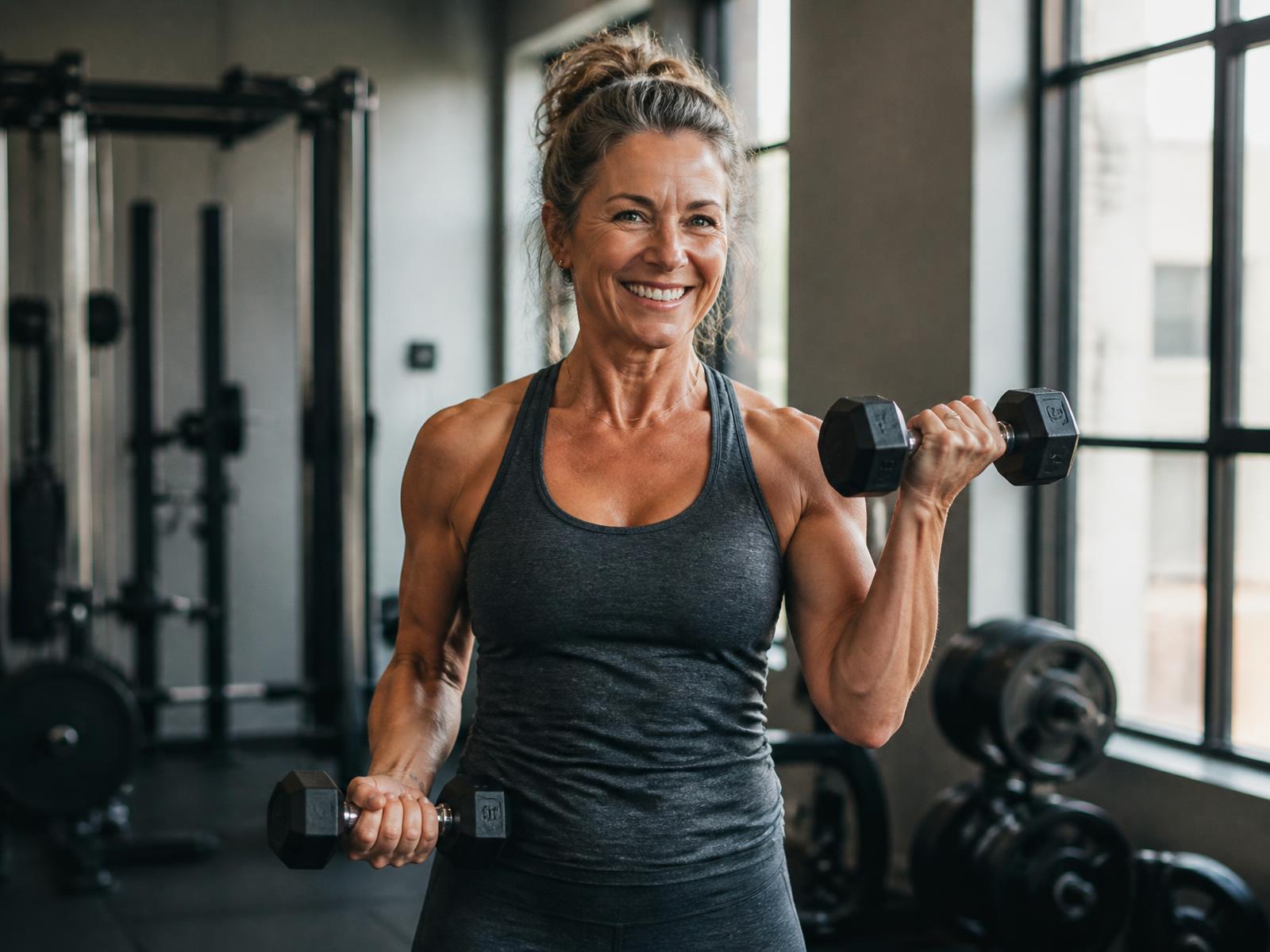
- 01Bone loss accelerates around menopause, making this an important time to think about bone health — even if you've never broken a bone.
- 02Menopause is associated with changes in cholesterol, blood pressure, body fat distribution, and insulin resistance that affect long-term cardiovascular health.
- 03Muscle naturally declines with age, but strength training and adequate protein can significantly slow that process.
- 04Menopause appointments are an opportunity to discuss more than symptoms — they're a chance to reduce future health risks.
- 05Small changes made during midlife can have benefits that last for decades.
Menopause is more than hot flashes
When most women think about menopause, they think about hot flashes, night sweats, or irregular periods.
Those symptoms are real, and they absolutely deserve treatment.
But something else is happening at the same time.
Changing estrogen levels also affect your bones, muscles, metabolism, and cardiovascular system.
Unlike hot flashes, these changes don't usually cause symptoms right away.
Often, they're completely silent.
That's why I try to use menopause visits as an opportunity to talk about both how you feel today and how we can protect your health for the future.
Your bones are changing — even if you can't feel it
Estrogen helps maintain the balance between building new bone and breaking down old bone.
As estrogen declines, bone breakdown begins to outpace bone formation.
Research suggests women can lose a significant amount of bone density during the years surrounding menopause.
The challenge is that bone loss doesn't hurt.
Most women don't know it's happening until they experience a fracture years later.
That doesn't mean everyone needs medication.
It does mean this is the perfect time to build healthy habits that support lifelong bone health.
I encourage patients to think about:
- Strength training
- Weight-bearing exercise
- Adequate calcium from food when possible
- Vitamin D when appropriate
- Avoiding smoking
- Limiting excessive alcohol
For some women, hormone therapy also provides meaningful protection against bone loss while treating menopausal symptoms.
Your heart deserves attention too
Heart disease remains the leading cause of death in women.
Around menopause, many women notice changes that increase cardiovascular risk over time.
These may include:
- Higher LDL cholesterol
- Increased blood pressure
- More insulin resistance
- Weight shifting toward the abdomen
- Reduced muscle mass
This doesn't mean menopause causes heart disease.
It means this is an excellent time to take a closer look at overall cardiovascular health.
During menopause visits, I often encourage women to stay current with:
- Blood pressure checks
- Cholesterol screening
- Blood sugar testing
- Regular exercise
- Sleep habits
- Nutrition
Because prevention is much easier than treatment years later.
Muscle is one of your greatest investments
One thing I wish more women knew is how important muscle becomes as we age.
Muscle isn't just about appearance.
It helps regulate blood sugar.
It supports balance and mobility.
It protects your bones.
It makes everyday activities easier.
It even helps maintain independence later in life.
The good news?
You're never too old to build strength.
Resistance training remains one of the most effective ways to preserve muscle throughout midlife and beyond.
You don't need to become a bodybuilder.
Two or three strength-training sessions each week can make a tremendous difference over time.
Don't forget about protein
Strength training works best when your body has the building blocks it needs.
Many women unintentionally eat much less protein than they realize.
While everyone's needs are different, including a source of protein with each meal can help support muscle maintenance during midlife, especially if you're actively trying to lose weight.
If you're taking a GLP-1 medication, adequate protein becomes even more important because we want to preserve lean muscle while losing fat.
Small changes add up
One thing I love about preventive medicine is that you don't have to change everything overnight.
Sometimes the biggest improvements come from consistently doing small things:
- Walking more
- Adding two strength workouts each week
- Eating more protein
- Sleeping better
- Managing blood pressure
- Treating menopausal symptoms that interfere with exercise and recovery
Those habits may not feel dramatic today.
But over the next 20 or 30 years, they can make a tremendous difference.
My approach
When someone schedules a menopause consultation, I'm certainly thinking about hot flashes and hormone therapy.
But I'm also thinking about the bigger picture.
How is your sleep?
Are you maintaining muscle?
Are you getting enough protein?
Have you had your cholesterol checked?
Is it time for a bone density test?
Are there opportunities to reduce your future cardiovascular risk?
These conversations are just as important as deciding whether hormone therapy is the right fit.
The bottom line
The years surrounding menopause aren't just about managing symptoms.
They're one of the best opportunities you'll have to invest in your long-term health.
Taking care of your bones, muscles, heart, sleep, and metabolism today can help you stay active, independent, and healthy for decades to come.
Menopause isn't simply an ending.
It's also the beginning of a new chapter — and one that's worth planning for.
References
- Camacho PM, et al. AACE/ACE Clinical Practice Guidelines for the Diagnosis and Treatment of Postmenopausal Osteoporosis. 2020 Update.
- El Khoudary SR, et al. Menopause Transition and Cardiovascular Disease Risk: American Heart Association Scientific Statement. Circulation. 2020;142:e506-e532.
- Khan SS, et al. Development and Validation of the American Heart Association PREVENT Equations. Circulation. 2024;149(6):430-449.
- Cauley JA, et al. Effects of Estrogen Plus Progestin on Risk of Fracture. JAMA. 2003;290(13):1729-1738.
- Fragala MS, et al. Resistance Training for Older Adults: National Strength and Conditioning Association Position Statement. J Strength Cond Res. 2019;33(8):2019-2052.
- The Menopause Society. 2025 Hormone Therapy Position Statement. Menopause. 2025.
- American College of Obstetricians and Gynecologists. Practice Bulletin: Management of Menopausal Symptoms. Reaffirmed 2024.
Related care
If this is what you're working through, read more about Menopause & Perimenopause Hormone Therapy.
Ready for the conversation?
Have a real visit with Mallory.
Telehealth visits with one clinician, continuity between visits, and no rotating staff.