Fatigue and Brain Fog: What I Rule Out First
Before anyone calls it stress, there's a list worth working through.
- 01Fatigue with cognitive changes has a long list of treatable causes worth working through in order.
- 02Iron status, thyroid function, B12, vitamin D, blood glucose, and sleep-disordered breathing come first.
- 03Perimenopause and low testosterone are common and frequently overlooked contributors.
- 04Orthostatic symptoms and post-exertional worsening point toward a different workup entirely.
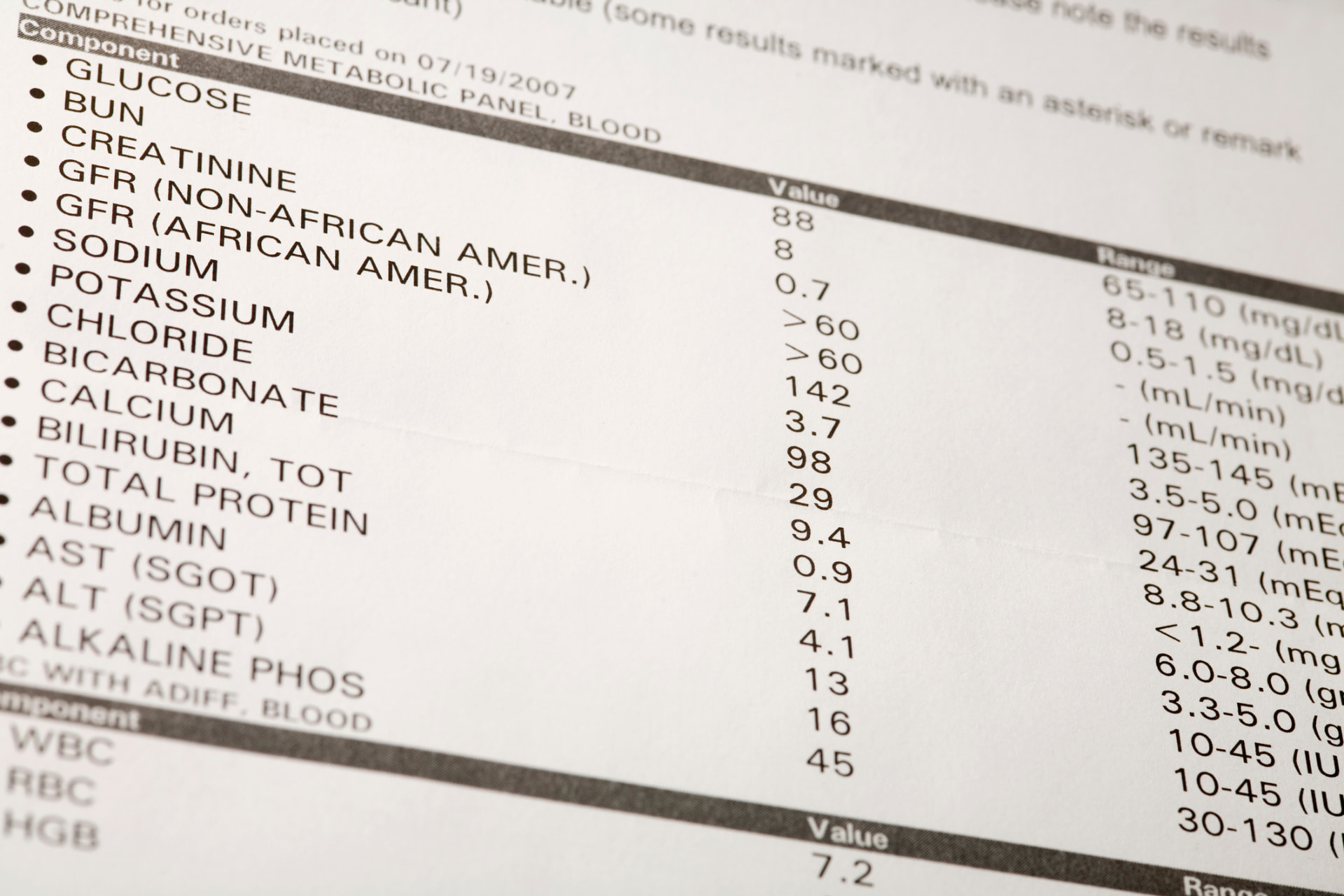
- 05'Normal' labs from two years ago are not the same as a current, complete picture.
"I'm tired and I can't think clearly." I hear it every week, and it's almost never the whole story — it's the sentence people land on after the longer explanation didn't get traction anywhere else.
Here's the order I generally work through it.
First: the treatable and common
Iron. Ferritin can be low enough to cause fatigue, hair shedding, and cognitive fog well before hemoglobin drops. A normal CBC does not rule out iron deficiency. If you menstruate heavily, this moves to the top of the list.
Thyroid. TSH alone is a screen, not an evaluation. When symptoms are convincing, free T4 and thyroid antibodies add real information.
B12 and folate. Neurologic and cognitive symptoms can appear at levels reported as low-normal.
Vitamin D. Common, easy, worth checking.
Glucose and insulin resistance. Post-meal crashes and afternoon fog often track with metabolic patterns rather than mood.
Sleep-disordered breathing. Snoring, waking unrefreshed, morning headaches, or a partner who's noticed you stop breathing — this deserves a sleep study, in men and women both. Untreated apnea will defeat every other intervention we try.
Medications. Antihistamines, beta blockers, some antidepressants, gabapentinoids, and several blood pressure agents all contribute.
Depression and anxiety. Real, common, and treatable — but I look for them alongside the rest of the list, not instead of it.
Second: hormonal
Perimenopause. Fatigue, sleep fragmentation, and word-finding difficulty are core features, and they frequently begin while cycles are still regular. Women in their late thirties and forties are routinely told they're too young. They aren't.
Testosterone in men. Low motivation, mental flatness, and diminished recovery from exercise are often the first things noticed — not libido. Confirmation requires morning testing on more than one occasion.
Cortisol. Worth evaluating when the pattern fits, using validated testing rather than salivary panels marketed direct to consumers.
Third: the pattern questions
Two questions change the direction of the entire workup.
Does it get worse when you stand? Lightheadedness, palpitations, and fog that lift when you lie down suggest an orthostatic problem — see the POTS workup.
Does it get worse a day or two after exertion? Post-exertional malaise is characteristic of ME/CFS and long COVID, and it changes management completely. Graded exercise is not the answer there; pacing is.
What I don't do
I don't order an enormous panel of tests with no plan for interpreting them. I don't chase abnormal numbers that don't match your story. And I don't stop the conversation at "your labs are normal" — normal labs narrow the differential, they don't close it.
What to bring
- Every lab result you can get from the last two years, even the normal ones. Trends matter.
- A two-week symptom log with sleep, energy through the day, and what preceded the bad days.
- A current medication and supplement list, including doses.
- The questions you actually care about, written down.
Fatigue is not a personality trait. It usually has one or more identifiable contributors, and most of them respond to something.
References
- Institute of Medicine. Beyond Myalgic Encephalomyelitis/Chronic Fatigue Syndrome: Redefining an Illness. National Academies Press. 2015.
- Camaschella C. Iron deficiency. Blood. 2019.
- Garvey WT, Mechanick JI, Brett EM, et al. AACE/ACE Comprehensive Clinical Practice Guidelines for Medical Care of Patients with Obesity. Endocrine Practice. 2016.
Related care
If this is what you're working through, read more about Complex & Whole-Person Care.
Ready for the conversation?
Have a real visit with Mallory.
Telehealth visits with one clinician, continuity between visits, and no rotating staff.